
AirTags often end up on things that spend plenty of time outdoors. People attach them to keys, backpacks, luggage, bikes, camera bags, and sometimes pet collars. So, one question comes up a lot: Are AirTags waterproof?
No. AirTags are not fully waterproof.
They are water resistant.
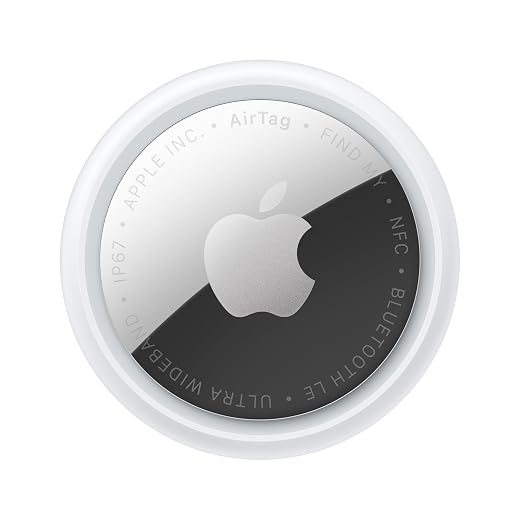
Apple gives both the original AirTag and the newer second-generation AirTag an IP67 rating under IEC standard 60529. In laboratory testing, an AirTag can handle immersion in water up to 1 meter deep for as long as 30 minutes.
That sounds reassuring, and it is useful protection for normal accidents. Still, you should not treat an AirTag like a device built for swimming, diving, or long periods underwater.
So, what can an AirTag really survive? Let’s look at the situations that matter most in everyday use.
How Water Resistant Is an AirTag?
The AirTag IP67 rating tells you two things.
- The 6 gives the AirTag strong protection against dust.
- The 7 covers temporary immersion in water under controlled test conditions.
For an AirTag, that means water up to 1 meter deep for no more than 30 minutes during testing.
In practical use, an AirTag should handle common situations such as:
- Rain
- Water splashes
- Wet backpacks
- Small drink spills
- Damp luggage
- Brief drops into shallow water
- Mud and dust
So, yes, an AirTag can get wet without failing right away.
Still, water resistance has limits. Repeated water exposure puts more stress on the seals and battery cover than the occasional splash.
For that reason, I see the IP67 rating as accident protection rather than an invitation to use an AirTag underwater.
Are AirTag 2 Models Waterproof?
The second-generation AirTag keeps the same IP67 water-resistance rating as the original model.
That means the official water protection does not change if you move from the first AirTag to the newer version.
The newer model improves tracking hardware and Precision Finding, but water protection remains at the same level.
So, if you already own the original AirTag, upgrading only for better water resistance does not make sense.
Both models can handle normal rain and brief accidental immersion. Neither model serves as a true waterproof tracker.
Can an AirTag Survive Rain?
Yes, normal rain should not create a problem for an AirTag in good condition.
For example, an AirTag attached to a backpack should cope with a walk through light or moderate rain. The same applies to keys, luggage, and other everyday items.
Still, regular outdoor exposure changes the situation.
An AirTag that stays outside for weeks can face rain, dirt, temperature changes, scratches, and repeated moisture. Over time, those conditions can put more strain on its water protection.
Personally, I would use a bare AirTag on a backpack during normal rainy weather without worrying much. I would not leave one permanently exposed on a bike, trailer, outdoor tool, or similar item.
For those uses, a sealed AirTag case makes more sense.
Can You Swim With an AirTag?
Swimming pushes an AirTag beyond the type of use its IP67 rating targets.
The rating covers temporary immersion during controlled testing. Swimming adds movement, changing pressure, repeated contact with water, and longer exposure.
So, I would not attach an uncovered AirTag to something that regularly goes into a pool, lake, river, or sea.
That includes:
- Swimming bags
- Kayaks
- Paddleboards
- Boats
- Fishing gear
- Waterproof camera bags
- Pet collars used during swimming
If you often use electronics around pools or open water, this guide to swimming headphones vs regular headphones explains why purpose-built water protection matters more than basic splash resistance.
A sealed waterproof AirTag holder can give the tracker extra protection too.
Still, check the case rating before trusting it near deep water. The AirTag inside keeps its own IP67 specification.
What Happens If an AirTag Falls Into Water?
A brief drop into shallow water does not automatically ruin an AirTag.
Its IP67 rating covers temporary water exposure, so a quick accident should not cause immediate panic.
Take the AirTag out of the water as soon as you can. Next, wipe the outside with a soft, dry cloth. Then leave it somewhere with good airflow until it dries.
Do not treat the 30-minute figure like a safe underwater timer.
That number comes from controlled testing. It does not mean every AirTag can sit underwater for exactly 30 minutes without risk.
Age matters too.
An older AirTag may have scratches, dirt around the battery cover, or normal wear from years of use. Those factors can reduce its ability to keep water out.
Will an AirTag Survive a Washing Machine?
An AirTag can end up in a washing machine more easily than you might expect.
You could leave one inside a jacket pocket, backpack, suitcase, or small bag and forget about it before starting a wash cycle.
A washing machine creates much harsher conditions than simple immersion.
It adds:
- Detergent
- Constant movement
- Repeated impacts
- Fast-moving water
- Heat in some wash cycles
So, the IP67 rating does not mean an AirTag is washing-machine safe.
Some trackers may survive a wash, but that does not make it a supported use.
If your AirTag goes through a washing cycle, remove it from the wet item and dry it thoroughly. After that, check it in the Find My app.
Play a sound too. A weak or distorted speaker can point to moisture around the speaker area.
Can an AirTag Handle Snow?
An AirTag can cope with normal snow exposure better than many people expect.
For example, an AirTag on a winter backpack should handle falling snow or brief contact with a snowy surface.
Still, melting snow turns into water. Long exposure creates a greater risk than a quick walk outside.
Temperature matters here too.
AirTags support a wide operating temperature range, so normal winter weather falls within their intended use in many locations.
Yet I would still protect an AirTag used on skis, sleds, winter bags, outdoor equipment, or vehicles.
A case adds a useful barrier against melted snow, slush, mud, and repeated moisture.
Can You Put an AirTag on a Dog Collar?
Yes, you can attach an AirTag to a dog collar with a suitable holder.
For a dog that walks in rain or runs through wet grass, the AirTag’s built-in water resistance gives useful protection.
Swimming changes things.
A dog that regularly jumps into lakes, rivers, pools, or the sea puts the AirTag through repeated water exposure. So, use a sealed holder for that type of activity.
There is another point to keep in mind. AirTag works through Apple’s Find My network. It does not work like a dedicated cellular GPS pet tracker.
So, if your dog often runs far from populated areas, a dedicated GPS tracker can provide a better fit.
For normal neighborhood walks, an AirTag still adds a useful extra layer of location tracking.
Does Opening an AirTag Affect Water Resistance?
AirTags use a replaceable CR2032 coin-cell battery.
That means you need to open the rear cover from time to time.
After replacing the battery, make sure the stainless steel cover sits correctly and locks back into place.
Check for dirt, sand, lint, or other debris around the edges too.
A poorly seated cover can make water exposure riskier.
So, after a battery change, take a few seconds to check the fit before putting the AirTag back on keys, luggage, or outdoor gear.
Does AirTag Water Resistance Wear Out?
Yes. Water resistance can weaken over time.
An AirTag on a keyring can go through a lot over several years. It gets dropped, scratched, squeezed into pockets, exposed to heat, carried through rain, and opened for battery replacements.
Those things do not automatically damage it.
Still, normal wear can reduce water protection.
For that reason, I would trust a new AirTag more around water than one that has spent several years bouncing around with keys.
With older units, treat IP67 as backup protection rather than something worth testing.
Should You Buy a Waterproof AirTag Case?
For normal indoor use, most people do not need one.
An AirTag inside a suitcase, handbag, backpack, or key holder already has enough protection for common splashes.
A waterproof case makes more sense for items that face regular outdoor exposure.
Good examples include:
- Dog collars
- Bikes
- Boats
- Camping gear
- Hiking equipment
- Fishing equipment
- Motorcycle gear
- Kayaks
- Outdoor luggage
Look for a case that seals around the whole AirTag rather than a simple open keychain holder.
At the same time, remember that thick cases can reduce speaker volume. So, a heavily sealed case can make the AirTag harder to hear.
AirTag Waterproof vs Water Resistant
The difference matters.
A waterproof product aims to keep water out under much tougher conditions.
A water-resistant product protects against water only within defined limits.
AirTag falls into the second group.
Its IP67 rating gives it good protection for a small tracker. It handles the kind of accidental exposure that keys, luggage, and backpacks often face.
Still, it does not belong underwater for long periods.
So, Can AirTags Get Wet?
Yes. AirTags can handle some water exposure.
Both AirTag generations carry an IP67 splash, water, and dust-resistance rating. That rating covers controlled testing in water up to 1 meter deep for as long as 30 minutes.
So, rain, splashes, wet bags, and brief accidental drops into shallow water should not automatically damage one.
Swimming, washing machines, deep water, high-pressure water, and long outdoor exposure create a different level of risk.
For keys, bags, and luggage, the built-in protection should suit most everyday use.
For pets, boats, bikes, camping equipment, and gear that spends a lot of time around water, I would add a sealed waterproof holder.
The easiest way to think about it is this: AirTag IP67 protection helps with accidents. It does not make an AirTag a waterproof device.