23 facts in comparison
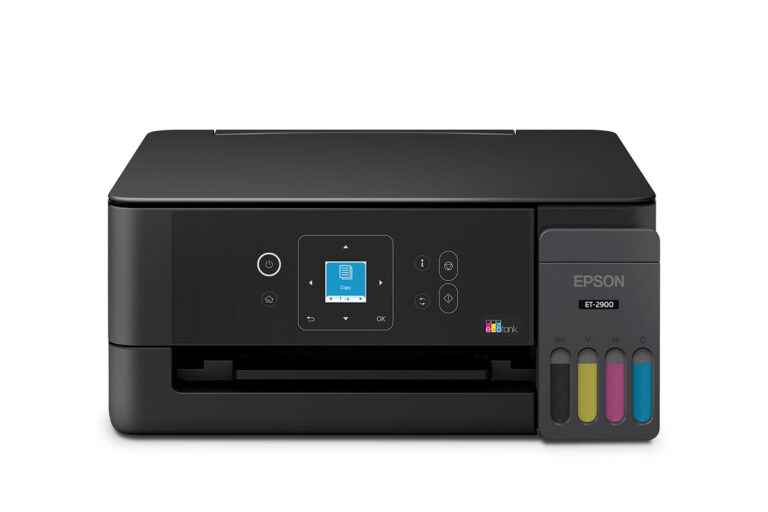
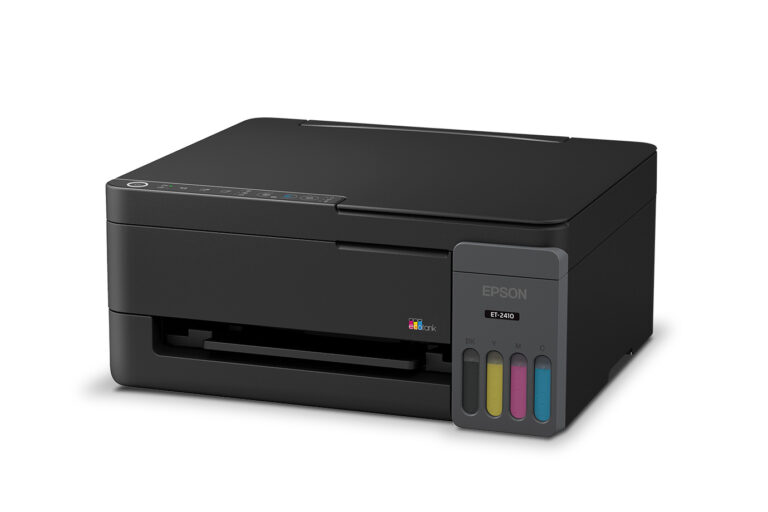
Epson EcoTank ET-2900 vs Epson ET-2410
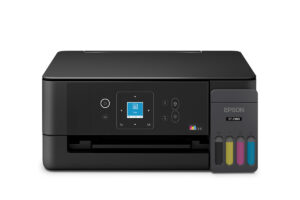
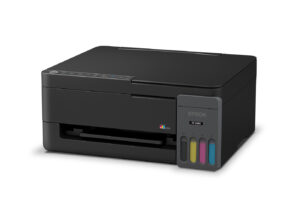
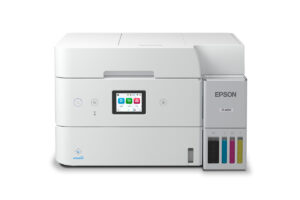
Put these two side by side and exactly one spec separates them: a hundred grams of weight. Print engine, resolution, rated speeds, tray capacities, duty cycle, connectivity, and the long list of things that have been left out are all identical. These are the same entry-level EcoTank sold under two names, and manufacturing a winner out of that would be dishonest.
Epson runs a wide entry range and renames it frequently, both across regions and across model years. The ET-2900 and the ET-2410 are both the bottom rung of it: an all-in-one that prints, scans and copies from four refillable bottles, with no automatic duplex, no document feeder, no wired network port and no display worth the name.
So the comparison worth making is about what surrounds the two machines. Check which model your local retailers stock, because a tank printer whose bottles are awkward to buy near you defeats its own purpose entirely. Check what is in the box, because the bundled ink yield is the largest part of what you are paying for. And check both prices on the day, since identical machines regularly do not carry identical price tags.
Neither is right for every home. If you print double-sided as a matter of routine, scan multi-page documents, or want the printer on Ethernet, both of these will irritate you weekly, and the answer is a model a step or two up.
Editor’s note
What makes this pair slightly uncomfortable is how easy it is to be sold the wrong one. Two names, one machine, and retail listings that price them differently is a situation that rewards the shopper who checks and quietly punishes the one who assumes a higher number means a better product.
On their own merits, both do the thing EcoTank is good at. The household that prints in bursts is the classic cartridge victim, and a tank system does not dry out between jobs in the same way a cartridge does. The bottles supplied at purchase last long enough that a household printing lightly will not buy ink for a couple of years, which is a real saving.
Away from the ink system, the output tray is shallow enough that a long job needs watching, there is no feeder so every multi-page scan is done by hand, and the missing automatic duplex means every single double-sided page is a manual operation. Epson has spent the budget on the tanks and taken it back out of the paper handling. Anyone who prints multi-page documents should walk past both.
Head-to-head points: every spec is scaled between these products only, so a product can score high here and modestly on its own page, where the VS Score measures it against the median of its class.
Where the Epson EcoTank ET-2900 beats the Epson ET-2410
No standout advantages.
Where the Epson ET-2410 beats the Epson EcoTank ET-2900
- A slightly lighter build ?4.1 kg vs 4.2 kg
What matters to you?
Drag the sliders to weight each category and re-rank the products to suit your priorities.
Score breakdown
Printing
Scanning & copying
Paper handling
Connectivity
Design
Specs last verified November 2, 2026Epson EcoTank ET-2900: 23 of 24 specs verified (96%)Epson ET-2410: 23 of 24 specs verified (96%)Unverified specs show as Unknown — never estimated, never scored
Where to buy
Prices and availability may change. Check the retailer before buying. We may earn a commission on purchases.
What reviewers say
The bottom line
There is no winner here, and any page that names one is inventing a difference that does not exist. Buy whichever of the two is cheaper on the day, or whichever one your nearest shop keeps ink for, and you will have made the right call. The only number worth comparing at the till is the bundled bottle yield printed on the box, because on a tank printer that is where most of your money goes.
The decision that does matter is a different one: whether the entry EcoTank is enough printer for you at all. If your printing is a page here and there, unpredictably, it fits beautifully. If it is stacks of double-sided paperwork, spend the extra and move up the range, because neither of these will ever stop getting in your way.
This comparison was created with the help of AI. How we work