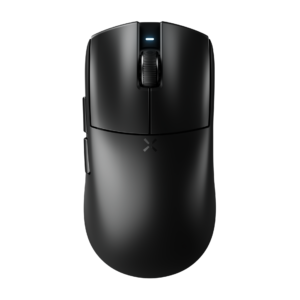
Endgame Gear XM2 8k: Specs, Features, Pros & Cons
There is a small market of mice sold on the quality of a handful of fundamentals, and the XM2 8k sits squarely inside it. Endgame Gear is a boutique operation, and the pitch is that a competitive mouse should be judged on shape, click feel, sensor behavior and cable, and on nothing else at all.
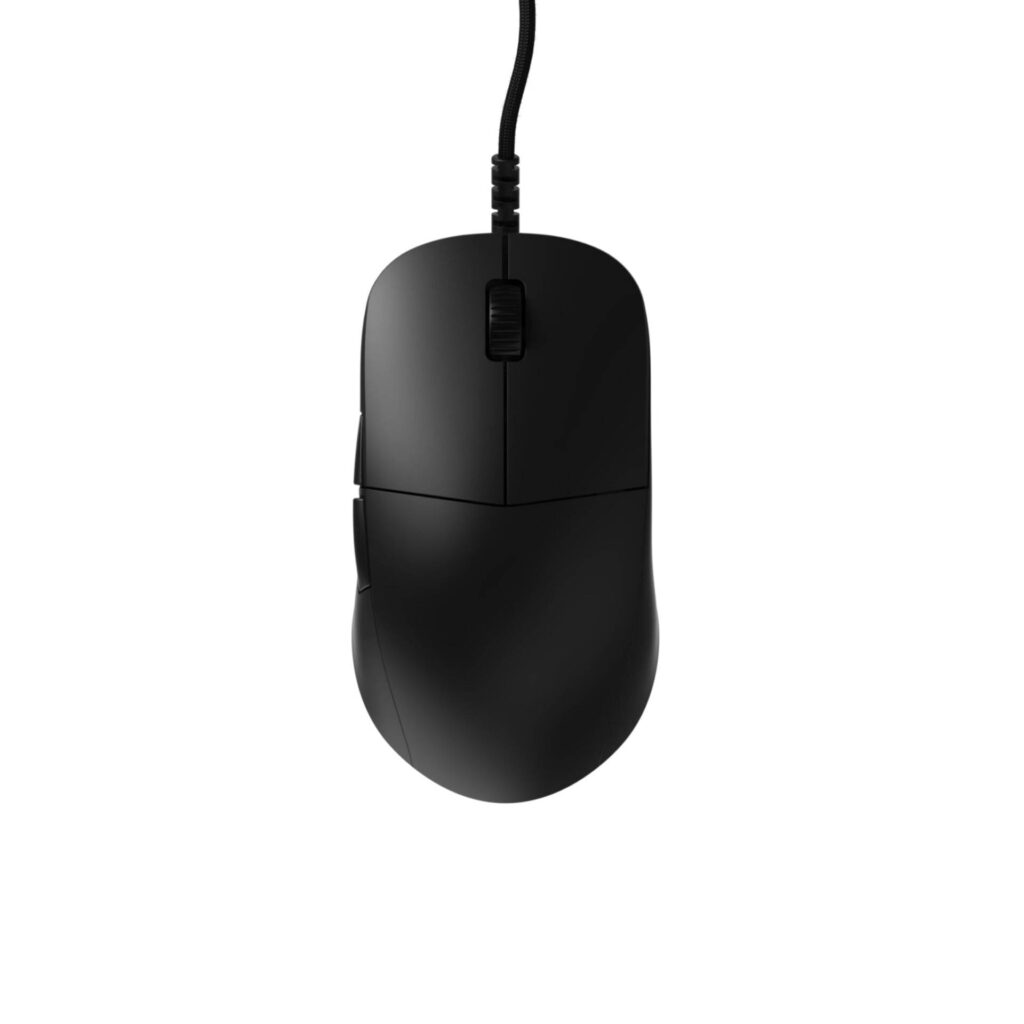
The most conspicuous decision is that it has a cable in the first place. Almost everything aimed at this buyer has gone wireless, and the counter-argument here is that a battery costs weight, internal volume and money that could be spent elsewhere. Whether that trade is reasonable depends on how much a cord bothers you. The lead supplied is the light, flexible paracord type, which removes most of the objection without removing all of it.
Just as telling is what the shell does not have. There are no honeycomb cutouts. This is a solid-topped mouse that gets light through material choice and internal design rather than by deleting plastic, which means no dust getting inside, no textured pattern under the palm, and a body that does not creak when squeezed.
Shape is the thing to check before buying. It is a medium symmetrical design with a pronounced rear hump, which makes it a claw-grip mouse first and everything else second. Anyone with a fingertip grip, and people with large hands who want to rest the whole palm, should check the dimensions first.
This is a mouse for somebody who has already worked out what they want from one. As a first serious upgrade it is a great deal of specificity to commit to sight unseen.
Category strengths
Where the Endgame Gear XM2 8k beats the median
- A much higher polling rate ?8,000 Hz vs 1,000 Hz (median)
- A lighter build ?52.5 g vs 89 g (median)
- More supported grip styles ?
- A higher max sensitivity ?30,000 DPI vs 25,600 DPI (median)
- A higher max tracking speed ?750 IPS vs 650 IPS (median)
Where the Endgame Gear XM2 8k trails the median
- Fewer connection options ?
- No USB-C charging ?
How this VS Score was computed
Score 55: each known spec is measured against the median of all mice (81 products), then weighted; 50 means level with that median. In classes of six or more, a value beyond the class’s 10th–90th percentile range counts as that limit, so one extreme product cannot set the scale. 63% of the scoreable weight could be used; unknown values, features not applicable to this class and proxies (battery capacity where a rated life exists) add or remove nothing.
| Specification | This product | Cohort median | Score weight | Points moved |
|---|---|---|---|---|
| Polling rate | 8,000 | 1,000 | 0.8 | +40.0 |
| Weight | 52.5 | 89 | 1 | +35.0 |
| Connection | 1 | 2 | 0.8 | −20.0 |
| USB-C charging | No | 67% of the class have it | 0.3 | −14.4 |
| Grip styles | 3 | 2 | 0.4 | +10.0 |
| Horizontal scrolling | No | 45% of the class have it | 0.2 | −9.6 |
| Free-spin scroll wheel | No | 34% of the class have it | 0.2 | −9.6 |
| RGB lighting | No | 46% of the class have it | 0.2 | −9.6 |
| Max sensitivity | 30,000 | 25,600 | 1 | +9.0 |
| Max tracking speed | 750 | 650 | 0.8 | +6.4 |
| Max acceleration | 50 | 50 | 0.4 | +0.0 |
| Buttons | 6 | 6 | 0.6 | +0.0 |
| Switch lifespan | 80 | 80 | 0.2 | +0.0 |
Not scored: Adjustable lift-off distance (unknown: not scored); Click latency (unknown: not scored); Debounce adjustment (unknown: not scored); Wireless polling rate (unknown: not scored); Battery life (unknown: not scored); Battery capacity (unknown: not scored); Quick charge (unknown: not scored); Wireless charging (unknown: not scored); Onboard memory (unknown: not scored); Software customization (standard for the class (97% have it)); Adjustable weights (not applicable: only 2% of this class have it).
Editor’s note
The XM2 8k is a wired mouse released into a market that has largely moved on from cables, and that decision is the whole point. Endgame Gear used the space and budget a battery would have taken to push the fundamentals instead: a PixArt PAW3395 sensor, an 8,000 Hz polling rate, and a shell that weighs 52.5 g without any honeycomb cutouts.
The switches are the unusual part. The Kailh GX units use a single-pole double-throw design, which lets the software expose latency modes you will not find on most mice at this price. In practice the clicks land quickly and feel crisp, and the 80-million actuation rating on the main buttons is generous.
Shape is where you should be careful. At 122 x 66 x 38 mm the XM2 8k is a medium symmetrical mouse with a fairly pronounced rear hump, which suits a claw grip best. Palm and fingertip grips work, but people with large hands who want full palm contact often find it short. If you can, hold one before buying, because no spec sheet will settle this for you.
The cable is a real limitation. The Flex Cord 6.0 is soft and light, but it is still a cord, and if you have used a good wireless mouse recently you will notice. There is also no RGB and no adjustable weights, which will not bother the target buyer at all.
Buy it if you play competitive shooters, want very low click and sensor latency, and would rather spend your money on performance than on a battery. Skip it if you need a mouse for mixed office work, want side buttons for productivity macros, or want a cable-free desk.
Specifications
Quality bars show where each figure sits between the lowest and highest of the 81 mice this VS Score is measured against.
Sensor & tracking
Design & handling
Switches & latency
Connectivity
Battery
Features
Sources and verification
Where the specifications come from
- Official product pageendgamegear.com
- Independent testingrtings.com
Verification
- First published
- Specifications last checked
- Sheet completeness
- 24 of 34 specifications verified; the rest show as Unknown and are never estimated or scored
- Page type
- Product specification page — Compiled from the manufacturer’s published specifications and the cited sources; this is not a hands-on test.
- Basis
- Research-based: specifications and editorial text were compiled from the documents listed here and the manufacturer’s published data. We have not tested this unit ourselves; where independent measurements are mentioned they belong to the linked publication.
Mice with similar specs to the Endgame Gear XM2 8k
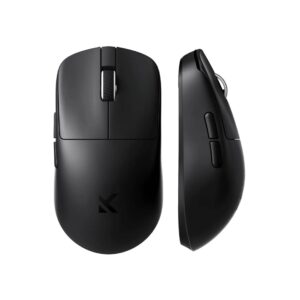
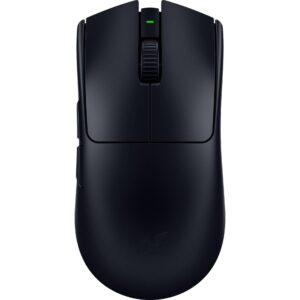
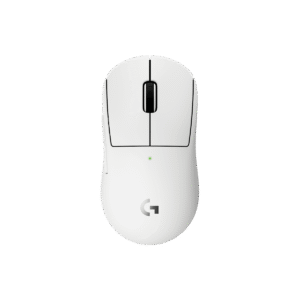
Ratings & reviews
No reviews yet. Be the first to share your experience.
The bottom line
The Endgame Gear XM2 8k earns a VS Score of 55, above the median of the 81 mice it is measured against (a score of 50 is level with that median).
- Who it’s for
- An experienced claw-grip shooter player who knows their preferred shape, wants fast clicks and a solid shell, and does not mind a cable.
- Who should look elsewhere
- Big-handed palm grippers, office users who want macro buttons, and first-time buyers who cannot hold one before ordering.
- The trade-off that matters
- Shape risk. The pronounced rear hump either fits your hand or it does not, and only holding the mouse tells you which.
- The main alternative
- Endgame Gear OP1 8k v2: the same maker's wired approach in a smaller, lower shell for fingertip grips
The VS Score is calculated from the weighted specifications above, each measured against the median of comparable mice — a shortlisting guide, not a substitute for your own priorities. See how we score.