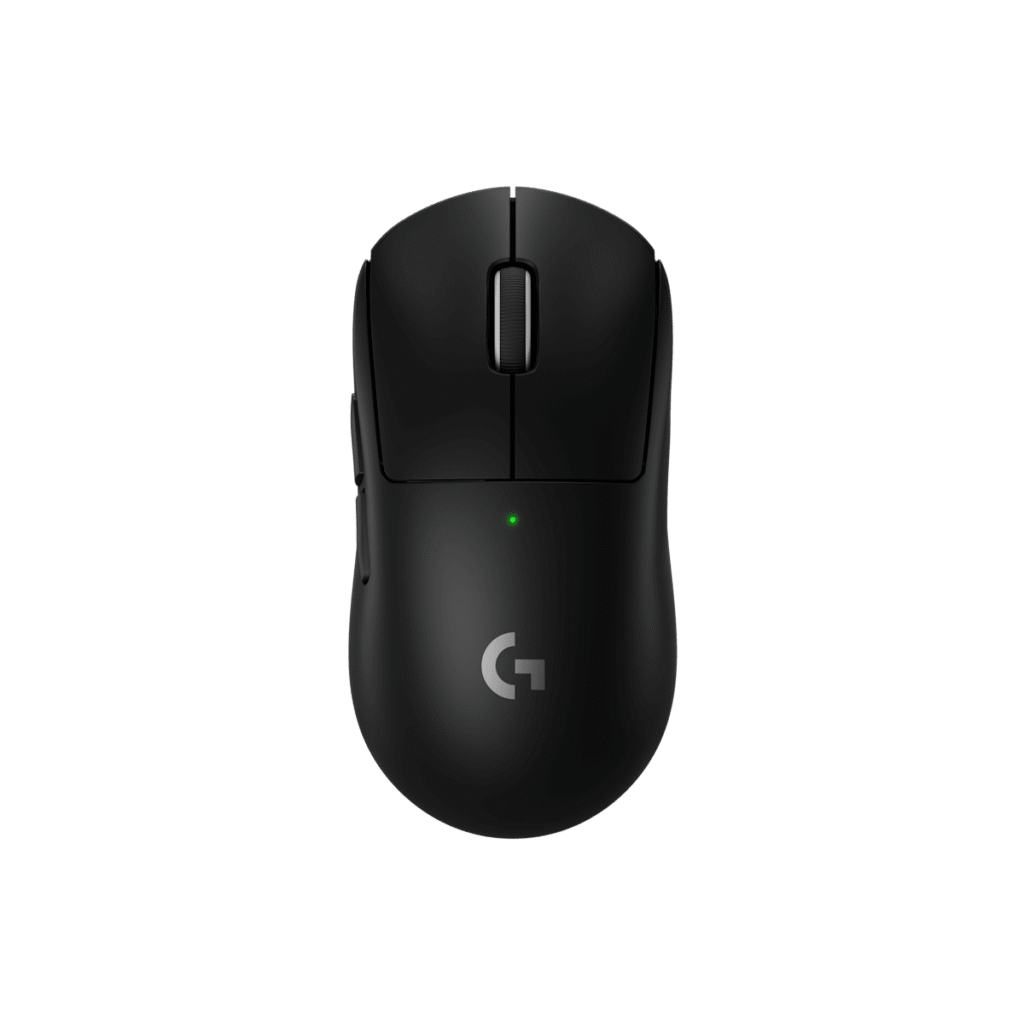
Logitech G PRO X SUPERLIGHT 2 SE: Specs, Price, Pros & Cons
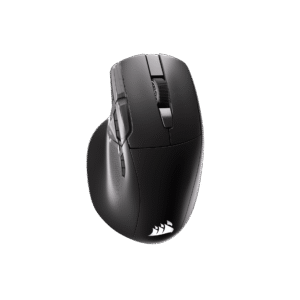
At 125 mm long, 63.5 mm wide and 40 mm tall, the SE uses the full-size shell of Logitech's professional wireless mouse. The shape, the sensor family and the switches come from the same line, and the savings sit in the parts a player notices least.
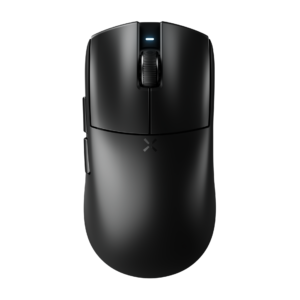
SE is Logitech's budget edition of the PRO X SUPERLIGHT 2. Its connection list is a dongle and a cable, with no Bluetooth, and the sensor is the HERO 2, which Logitech rates at up to 44,000 DPI, a ceiling far above anything a player will set. The switches are the same hybrid LIGHTFORCE type that avoid the double-click fault of worn mechanical contacts. The body is ambidextrous with the thumb buttons on the left only, so right-handers get side controls and left-handers get a symmetrical shell without them. It is far lighter than most wireless gaming mice, and Logitech's software sets sensitivity and buttons.
The report rate is fixed at the standard figure for both cable and dongle, and that is the line where the SE parts from the pricier models. Logitech's sibling, the smaller 2c, keeps the fast rate in a shorter shell, so the choice between them comes down to hand size and whether a faster report is worth paying for. Battery life is modest, the usual result of a small cell in a light wireless mouse.
A player with medium to large hands who wants the professional shape at a lower price is the natural buyer. The SE asks that player to accept a spec sheet that looks ordinary on the report rate line and very little else.
Category strengths
Where the Logitech G PRO X SUPERLIGHT 2 SE beats the median
- A much higher max sensitivity ?44,000 DPI vs 25,600 DPI (median)
- A lighter build ?60 g vs 89 g (median)
- A much higher max acceleration ?88 G vs 50 G (median)
- A higher max tracking speed ?888 IPS vs 650 IPS (median)
Where the Logitech G PRO X SUPERLIGHT 2 SE trails the median
- Shorter battery life ?88 h vs 150 h (median)
How this VS Score was computed
Score 61: each known spec is measured against the median of all mice (81 products), then weighted; 50 means level with that median. In classes of six or more, a value beyond the class’s 10th–90th percentile range counts as that limit, so one extreme product cannot set the scale. 55% of the scoreable weight could be used; unknown values, features not applicable to this class and proxies (battery capacity where a rated life exists) add or remove nothing.
| Specification | This product | Cohort median | Score weight | Points moved |
|---|---|---|---|---|
| Max sensitivity | 44,000 — capped at the class’s upper range (42,000) | 25,600 | 1 | +32.0 |
| Weight | 60 | 89 | 1 | +24.0 |
| Battery life | 88 | 150 | 0.8 | −16.8 |
| Max acceleration | 88 | 50 | 0.4 | +15.2 |
| Max tracking speed | 888 | 650 | 0.8 | +14.4 |
| Polling rate | 1,000 | 1,000 | 0.8 | +0.0 |
| Connection | 2 | 2 | 0.8 | +0.0 |
| Wireless polling rate | 1,000 | 1,000 | 0.5 | +0.0 |
Not scored: Adjustable lift-off distance (unknown: not scored); Buttons (unknown: not scored); Grip styles (unknown: not scored); Horizontal scrolling (unknown: not scored); Free-spin scroll wheel (unknown: not scored); Click latency (unknown: not scored); Switch lifespan (unknown: not scored); Debounce adjustment (unknown: not scored); USB-C charging (unknown: not scored); Battery capacity (unknown: not scored); Quick charge (unknown: not scored); Wireless charging (unknown: not scored); Onboard memory (unknown: not scored); Software customization (standard for the class (97% have it)); Adjustable weights (unknown: not scored); RGB lighting (unknown: not scored).
Editor’s note
The PRO X SUPERLIGHT 2 SE is Logitech's competitive mouse in a plainer wrapper: the same shape and sensor lineage as the mouse Logitech designed with professional players, with the specification trimmed to bring the price down.
The essentials are intact. The HERO 2 sensor is rated for tracking above 888 IPS and 88 G of acceleration, far beyond what any human hand generates, and the LIGHTFORCE hybrid switches combine an optical mechanism with mechanical feel, avoiding the double-click failures that plague purely mechanical switches. At 60 g it is light without being skeletal.
Logitech rates the battery at 88 hours of constant motion, which for normal use means charging every few weeks.
Where the SE saves money is the report rate: 1,000 Hz rather than the 8,000 Hz of the pricier models. That is worth understanding rather than fearing. One thousand reports per second is what competitive mice used for years. The faster rate measurably reduces latency but the difference is small and costs CPU overhead.
The shape is a medium-large ambidextrous body with no thumb buttons on the right, so left-handed players get symmetry without extra controls.
Buy it if you want the professional shape and sensor at a lower price, and the lower rate is enough for you: for the overwhelming majority of players it is.
Choose the 2c if you have smaller hands or want the faster report rate, and look elsewhere entirely if you want a heavier mouse with many programmable buttons for MMOs or productivity.
Specifications
Quality bars show where each figure sits between the lowest and highest of the 81 mice this VS Score is measured against.
Sensor & tracking
Design & handling
Switches & latency
Connectivity
Battery
Features
Sources and verification
Where the specifications come from
- Official product pagelogitechg.com
- Independent testingrtings.com
Verification
- First published
- Specifications last checked
- Sheet completeness
- 17 of 34 specifications verified; the rest show as Unknown and are never estimated or scored
- Page type
- Product specification page — Compiled from the manufacturer’s published specifications and the cited sources; this is not a hands-on test.
- Basis
- Research-based: specifications and editorial text were compiled from the documents listed here and the manufacturer’s published data. We have not tested this unit ourselves; where independent measurements are mentioned they belong to the linked publication.
Where to buy
Prices and availability may change. Check the retailer before buying. We may earn a commission on purchases.
Price history
Mice with similar specs to the Logitech G PRO X SUPERLIGHT 2 SE
Ratings & reviews
No reviews yet. Be the first to share your experience.
The bottom line
The Logitech G PRO X SUPERLIGHT 2 SE earns a VS Score of 61, above the median of the 81 mice it is measured against (a score of 50 is level with that median).
- Who it’s for
- Players who want Logitech's professional shape and sensor lineage and will accept the ordinary polling rate to save money.
- Who should look elsewhere
- Small hands, and players who want many programmable buttons for MMOs or work, should pick something else.
- The trade-off that matters
- The slower report rate is where the saving comes from, and it matters only on a high-refresh monitor if you chase the last sliver of latency.
- The main alternative
- Logitech G PRO X SUPERLIGHT 2c: smaller and lighter, with the faster report rate the SE gives up
The VS Score is calculated from the weighted specifications above, each measured against the median of comparable mice — a shortlisting guide, not a substitute for your own priorities. See how we score.