24 facts in comparison
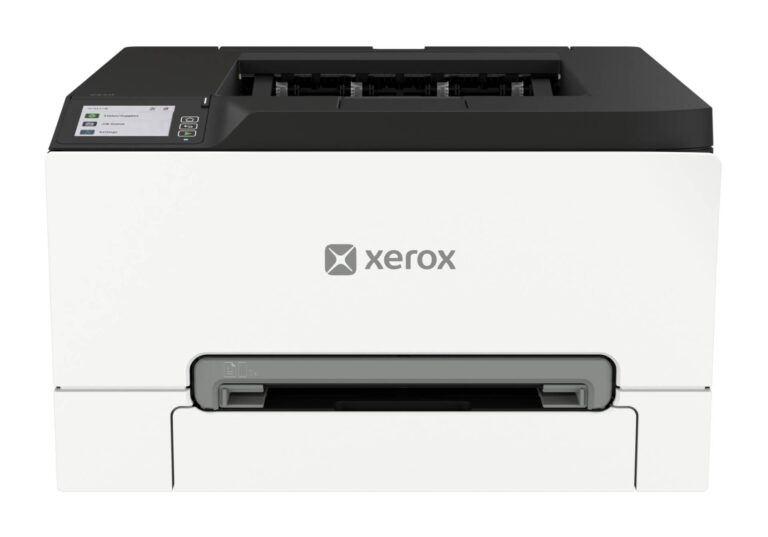
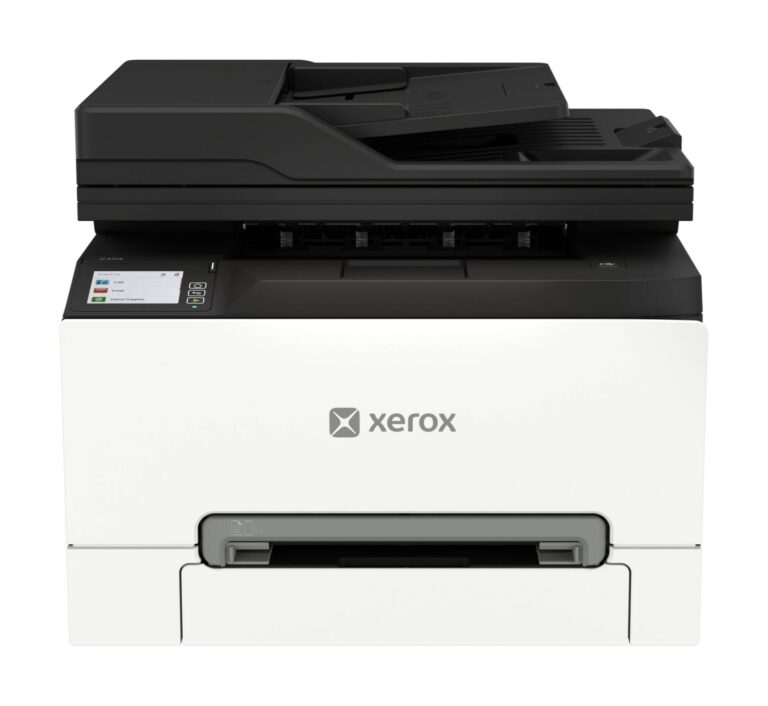
Xerox C240 vs Xerox C303a
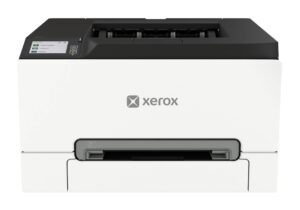
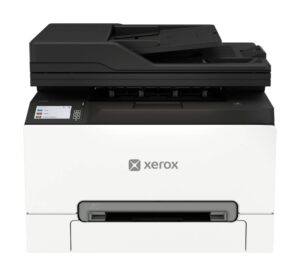
This comparison puts the Xerox C240 and Xerox C303a side by side — two printers measured against the same 24-spec sheet, with every meaningful gap scored and explained. On our weighted VS Score the Xerox C303a finishes ahead, 98 to 56 — a decisive result.
The most consequential difference is all-in-one — the Xerox C303a has it, the Xerox C240 does not. None of our retail partners currently lists the Xerox C303a, so availability may be limited and price cannot factor into this comparison.
Where the Xerox C240 beats the Xerox C303a
- A lighter build ?16.3 kg vs 19.8 kg
Where the Xerox C303a beats the Xerox C240
- A higher print speed (black) ?32 ppm vs 26 ppm
- A higher print speed (color) ?32 ppm vs 26 ppm
- A much higher print resolution ?2,400 dpi vs 600 dpi
- A much higher monthly duty cycle ?75,000 pages vs 50,000 pages
- Has all-in-one ?
- Has automatic document feeder ?
- Has duplex scanning ?
- Has fax ?
Key real-world differences
The spec sheet pulls in both directions. These are the gaps big enough to shape the decision — with the actual figures, and what each one means in real-world use.
- All-in-oneScanning & copyingNo vs Yes — only the Xerox C303a has it
Scans and copies as well as prints.
- Automatic document feederScanning & copyingNo vs Yes — only the Xerox C303a has it
Feeds multi-page documents through the scanner unattended.
- Print speed (black)Printing26 ppm vs 32 ppm — 19% more for the Xerox C303a
Black-and-white pages per minute; higher is faster.
- Print resolutionPrinting600 dpi vs 2,400 dpi — 4× more for the Xerox C303a
A higher dot density produces sharper prints.
- WeightDesign16.3 kg vs 19.8 kg — 18% less for the Xerox C240
A lighter printer is easier to place and move.
Which one should you buy?
There is no single answer — it depends on what you will actually use it for. Match your priority to the pick below.
- Best for printing Xerox C303a takes the category 100 to 44 — driven by print speed (black) (26 ppm vs 32 ppm).
- Best for scanning & copying Xerox C303a takes the category 100 to 0 — driven by all-in-one (No vs Yes).
- Best for design Xerox C240 takes the category 100 to 63 — driven by weight (16.3 kg vs 19.8 kg).
- The safe all-rounder Xerox C303a wins more of the categories that carry real weight, topping the overall VS Score at 98.
Where each one falls short
Xerox C240
- All-in-one: No vs Yes
- Automatic document feeder: No vs Yes
- Duplex scanning: No vs Yes
- 1 spec is unreported (shown as Unknown) and excluded from its scores.
Xerox C303a
- Weight: 16.3 kg vs 19.8 kg
What matters to you?
Drag the sliders to weight each category and re-rank the products to suit your priorities.
Score breakdown
How the VS Score works — and what it can’t tell you
Every measurable spec is scored relative to this matchup: the best value here earns 100%, the worst 0%, and everything between scales linearly. Each spec then counts according to an editorial weight that reflects real-world impact — a battery-capacity gap moves the score far more than a colour-options list. The category scores above are the weighted results inside each group, and the overall VS Score rolls all of them together; the evidence line under each category names the specs that actually decided it.
Unknown values are never estimated. A spec a product doesn’t report simply drops out of that product’s scoring — it isn’t penalised with a guess — and a spec only one side reports can never produce a “win”. The trade-off is honest but real: a thinner spec sheet means a score built on fewer data points, which is why the completeness figures are disclosed under About this data.
Most importantly: a spec-sheet lead is not the same as a better product. Megapixels, gigahertz and benchmark points describe capacity, not experience — image processing, software optimisation, thermals, haptics and ergonomics decide how a device actually feels, and no table captures reliability or long-term support quality. Treat the scores as a structured summary of what can be measured, read the caveats under each key difference, and use the weight tuner to re-rank the comparison by what matters to you.
Printing
Laser prints crisp text fast; inkjet handles photos and colour better.
Prints in colour, not just black and white.
Black-and-white pages per minute; higher is faster.
Colour pages per minute; higher is faster.
A higher dot density produces sharper prints.
Prints both sides of the page without manual flipping.
Refillable ink tanks cut the cost per page dramatically.
The maximum recommended pages per month.
Scanning & copying
Scans and copies as well as prints.
Feeds multi-page documents through the scanner unattended.
How many pages the document feeder holds at once.
Scans both sides of a page automatically.
Sends and receives faxes.
Paper handling
A larger tray needs refilling less often.
How many printed pages the output tray holds.
The largest paper format supported (e.g. Letter, Legal, A3).
Connectivity
Print wirelessly over the home network.
Connect devices directly without a router.
A wired network port for reliable office use.
A direct USB connection to a computer.
Print from iPhone, iPad and Mac without extra drivers.
Print and manage the printer from a phone app.
Design
An onboard touchscreen makes standalone tasks easier.
A lighter printer is easier to place and move.
About this data
- Specifications are compiled from each manufacturer’s official spec sheet, cross-checked against trusted specification databases, and normalised into one schema so identical things are compared identically.
- Specifications last verified August 23, 2026.
- Data completeness: Xerox C240 96% and Xerox C303a 100% of the 24 specs in this category. Anything we could not verify is shown as Unknown — never estimated — and is excluded from all scores.
- Prices and availability come from live retailer feeds via our shopping partners and refresh throughout the day; a missing price means no partner currently lists the product, not that it is discontinued.
- Want the full picture? Our editorial guidelines explain how we research products, weight the scores and stay independent.
- Spotted an error in a spec? Tell us and we will correct the sheet.
Where to buy
No price is available to track yet.
Prices and availability may change. Check the retailer before buying. We may earn a commission on purchases.
What reviewers say
The bottom line
The Xerox C303a is the clear winner, scoring 98 to 56 on our VS Score. It leads on Printing and Scanning & copying. The Xerox C240 answers back with stronger Design. Pick the Xerox C303a unless Design matters most to you — then the Xerox C240 is the smarter buy.