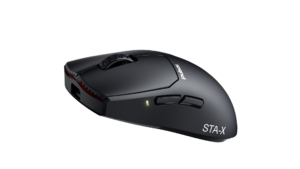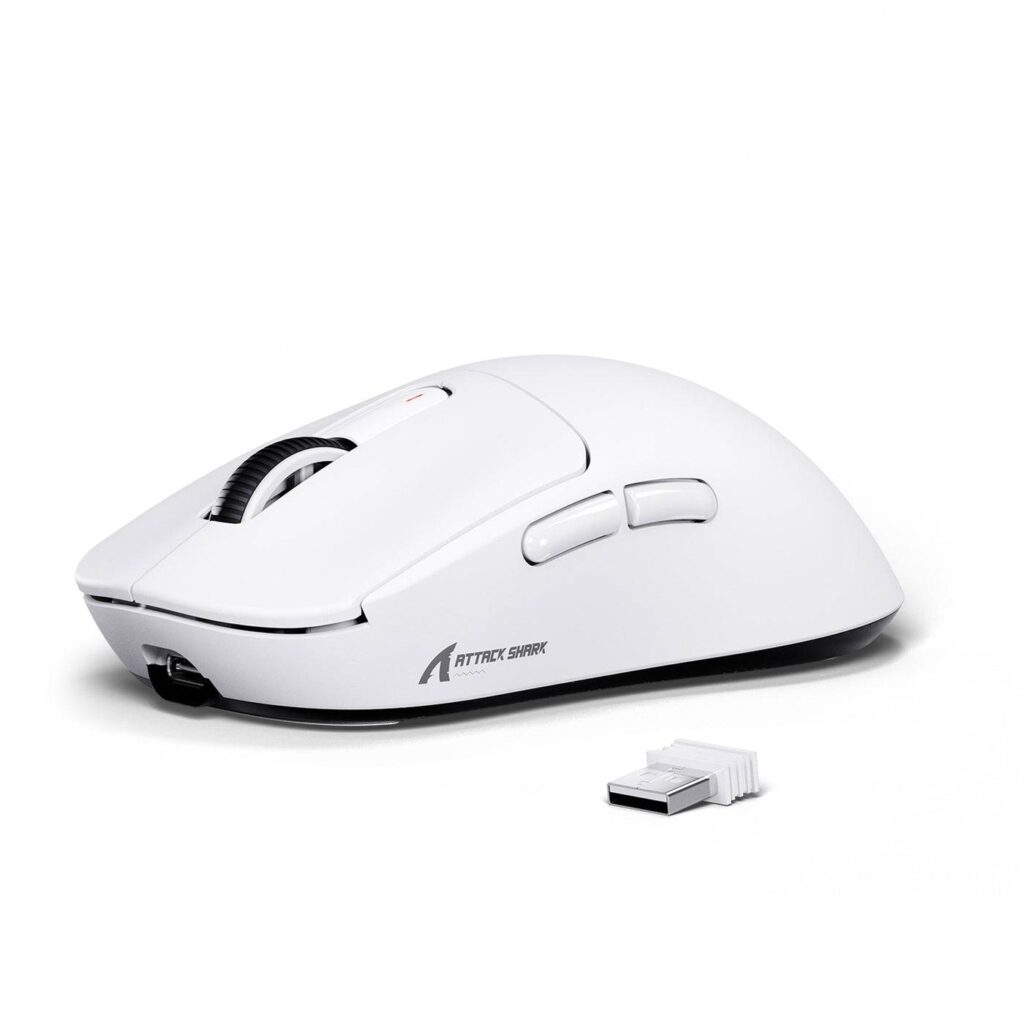
ATTACK SHARK X3: Specs, Features, Pros & Cons
A lot of mouse for very little money, and the combination is worth spelling out: under 50 grams, three ways to connect — wired, 2.4 GHz and Bluetooth — and a battery figure in the hundreds of hours.
Light wireless mice usually pay for their weight with a small cell and short endurance, and most drop Bluetooth entirely. Getting all three together at this price is the interesting part, helped by a sensor that is the same well-regarded part fitted to mice costing several times as much.
Category strengths
Where the ATTACK SHARK X3 beats the average
- A much lighter build ?49 g vs 95.68 g (avg)
- More connection options ?
- A higher max sensitivity ?26,000 DPI vs 20,759.06 DPI (avg)
- Has USB-C charging ?
- A slightly higher max tracking speed ?650 IPS vs 598.9 IPS (avg)
- A slightly higher switch lifespan ?80 million clicks vs 73.56 million clicks (avg)
- Has software customisation ?
Where the ATTACK SHARK X3 trails the average
- Much shorter battery life ?200 h vs 1,417.84 h (avg)
- A much lower polling rate ?1,000 Hz vs 3,151.04 Hz (avg)
- A much lower wireless polling rate ?1,000 Hz vs 3,856.62 Hz (avg)
- Fewer buttons ?6 vs 7.75 (avg)
- No RGB lighting ?
- No horizontal scrolling ?
- No free-spin scroll wheel ?
- A slightly lower max acceleration ?50 G vs 52.53 G (avg)
- No adjustable weights ?
Editor’s note
The X3 is a lot of mouse for very little money, and the combination it manages deserves to be spelled out.
It weighs 49 g, connects three ways — wired, 2.4 GHz and Bluetooth — and quotes 200 hours of battery. Light wireless mice usually pay for their weight with a small cell and short endurance, and often drop Bluetooth entirely; getting all three together at this price is the interesting part. The sensor is a PixArt PAW3395 at 26,000 DPI with 650 IPS tracking, which is the same well-regarded part fitted to mice costing several times as much.
The shell is ambidextrous at 118.5 x 61 x 39.7 mm — small and low, explicitly suited to claw and fingertip grips, and cramped for anyone who rests a full palm. Kailh GM 8.0 switches are rated to 80 million clicks and it charges over USB-C.
Polling is 1,000 Hz wired and wireless, rather than the 8,000 Hz on competitive flagships — and that is precisely why the battery lasts 200 hours, since an 8 kHz radio is what drains those mice.
The usual caveat about a less established brand applies: the hardware is sound, the question is software support and spare parts in three years.
Buy it if you want a genuinely light tri-mode mouse and would rather have long battery life than the highest polling rate. Buy an established name if long-term support matters to you.
Specifications
Quality bars are generated automatically against 78 other mice.
Sensor & tracking
Design & handling
Switches & latency
Connectivity
Battery
Features
Sources and verification
Where the specifications come from
- Official product pageattackshark.com
- Independent testingrtings.com
Verification
- First published
- Specifications last checked
- Sheet completeness
- 25 of 34 specifications verified; the rest show as Unknown and are never estimated or scored
- Basis
- Research-based: specifications and editorial text were compiled from the documents listed here and the manufacturer’s published data. We have not tested this unit ourselves; where independent measurements are mentioned they belong to the linked publication.
Where to buy
Prices and availability may change. Check the retailer before buying. We may earn a commission on purchases.
Price history
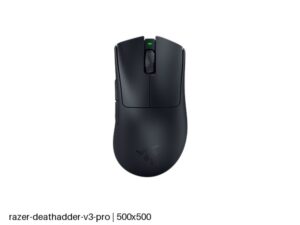
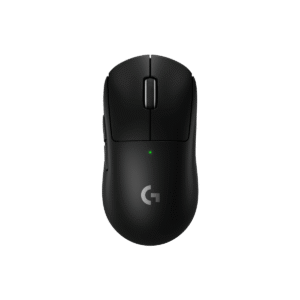
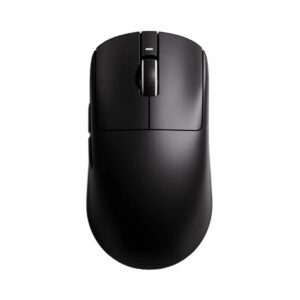
Mice with similar specs to the ATTACK SHARK X3
Ratings & reviews
No reviews yet. Be the first to share your experience.
The bottom line
The ATTACK SHARK X3 earns a VS Score of 47, a solid mid-pack result among the 79 mice we compare here. It stands out for a much lighter build, more connection options and a higher max sensitivity. Just be aware of much shorter battery life and a much lower polling rate before you buy. Weigh those trade-offs against what matters most to you.
The VS Score is calculated from the weighted specifications above, compared with every other mouse we track — a shortlisting guide, not a substitute for your own priorities. See how we score.