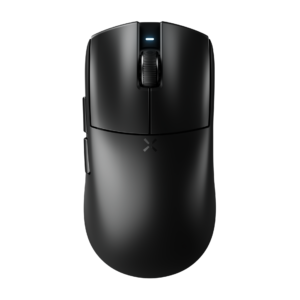
Endgame Gear OP1 8k v2: Specs, Features, Pros & Cons
The 8k in the name is the report rate, and the OP1 sends it down a cable with no wireless mode at all. Endgame Gear built this second version of the OP1 as a small, wired, ambidextrous shooter mouse and put every saved gram and every spare milliwatt into tracking.
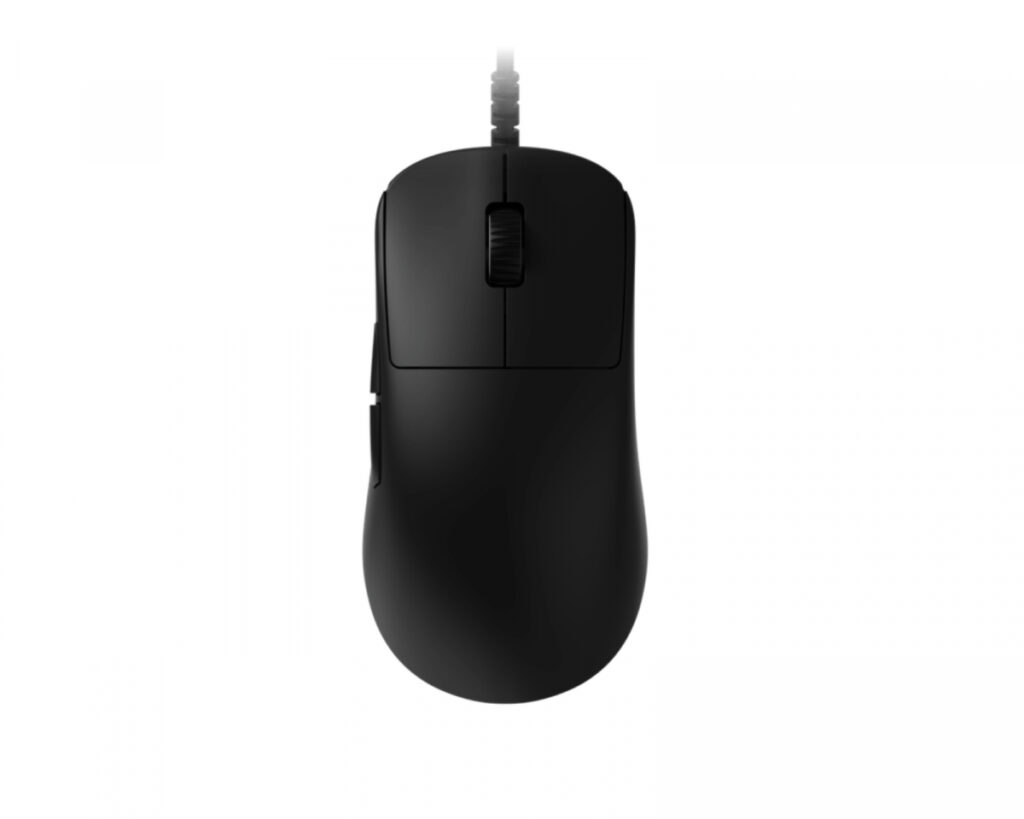
Its shape is short and low, meant for a claw or fingertip grip where the palm barely touches the rear. Six buttons, no lighting and a hollowed shell keep the weight very low, and the braided cable replaces the battery that would otherwise sit inside. The sensor is a current PixArt part for 50 G of acceleration, which no human wrist is likely to reach. Adjustable lift-off distance sets this mouse apart from many rivals at the same weight. Players who lift the mouse and put it back down during a long swipe can shorten the height at which the sensor stops tracking, so the cursor does not drift while the mouse is in the air.
Cutting the radio removes some things you might expect. There is no USB-C charging, since nothing needs charging, no Bluetooth for a laptop and no way to use it from across a room. On a single gaming desk none of that costs anything, and with no battery there is nothing inside the mouse to wear out with charge cycles.
Palm grippers with long hands will find the rear too short to rest on, and the cable rules it out for anyone who carries a mouse between machines. The OP1 8k v2 belongs on one desk, under a competitive player who sets it up once and plays at low sensitivity for hours.
Category strengths
Where the Endgame Gear OP1 8k v2 beats the median
- A much higher polling rate ?8,000 Hz vs 1,000 Hz (median)
- A much lighter build ?46.6 g vs 89 g (median)
- A higher max sensitivity ?30,000 DPI vs 25,600 DPI (median)
- A higher max tracking speed ?750 IPS vs 650 IPS (median)
Where the Endgame Gear OP1 8k v2 trails the median
- Fewer connection options ?
- No USB-C charging ?
How this VS Score was computed
Score 60: each known spec is measured against the median of all mice (81 products), then weighted; 50 means level with that median. In classes of six or more, a value beyond the class’s 10th–90th percentile range counts as that limit, so one extreme product cannot set the scale. 58% of the scoreable weight could be used; unknown values, features not applicable to this class and proxies (battery capacity where a rated life exists) add or remove nothing.
| Specification | This product | Cohort median | Score weight | Points moved |
|---|---|---|---|---|
| Polling rate | 8,000 | 1,000 | 0.8 | +40.0 |
| Weight | 46.6 — capped at the class’s lower range (52.5) | 89 | 1 | +35.0 |
| Connection | 1 | 2 | 0.8 | −20.0 |
| Adjustable lift-off distance | Yes | 61% of the class have it | 0.3 | +15.0 |
| USB-C charging | No | 67% of the class have it | 0.3 | −14.4 |
| RGB lighting | No | 46% of the class have it | 0.2 | −9.6 |
| Max sensitivity | 30,000 | 25,600 | 1 | +9.0 |
| Max tracking speed | 750 | 650 | 0.8 | +6.4 |
| Max acceleration | 50 | 50 | 0.4 | +0.0 |
| Buttons | 6 | 6 | 0.6 | +0.0 |
| Switch lifespan | 80 | 80 | 0.2 | +0.0 |
Not scored: Grip styles (unknown: not scored); Horizontal scrolling (unknown: not scored); Free-spin scroll wheel (unknown: not scored); Click latency (unknown: not scored); Debounce adjustment (unknown: not scored); Wireless polling rate (unknown: not scored); Battery life (unknown: not scored); Battery capacity (unknown: not scored); Quick charge (unknown: not scored); Wireless charging (not applicable: only 14% of this class have it); Onboard memory (unknown: not scored); Software customization (standard for the class (97% have it)); Adjustable weights (not applicable: only 2% of this class have it).
Editor’s note
The OP1 8k v2 is a wired competitive mouse, and choosing wired in 2026 is a deliberate position worth explaining.
A cable costs nothing in latency, needs no battery, and lets the shell be hollowed out without leaving room for a cell, which is how this one reaches 46.6 g. The rest of the design follows the same logic: a PixArt PAW3950 sensor at 30,000 DPI with 750 IPS tracking, 8,000 Hz polling, adjustable lift-off distance for players who lift and reposition constantly, PTFE feet, and Kailh GX switches rated to 80 million clicks. The 1.85 m braided USB-C cable is flexible enough not to tug.
The shape is ambidextrous at 118.2 x 60.5 x 37.2 mm: small and low, which suits claw and fingertip grips and will feel cramped to anyone who rests a whole palm.
There is no RGB lighting and no wireless of any kind, and neither is an oversight. Every gram and every milliwatt has gone into the parts that affect aiming.
Buy it if you play competitively at one desk and would rather spend the budget on the sensor and the shell than on a battery and a radio. Buy a wireless mouse if the cable bothers you. Modern wireless is fast enough that the argument is now about convenience rather than performance.
Specifications
Quality bars show where each figure sits between the lowest and highest of the 81 mice this VS Score is measured against.
Sensor & tracking
Design & handling
Switches & latency
Connectivity
Battery
Features
Sources and verification
Where the specifications come from
- Official product pageendgamegear.com
- Datasheet or manualendgamegear.com
- Independent testingrtings.com
Verification
- First published
- Specifications last checked
- Sheet completeness
- 23 of 34 specifications verified; the rest show as Unknown and are never estimated or scored
- Page type
- Product specification page — Compiled from the manufacturer’s published specifications and the cited sources; this is not a hands-on test.
- Basis
- Research-based: specifications and editorial text were compiled from the documents listed here and the manufacturer’s published data. We have not tested this unit ourselves; where independent measurements are mentioned they belong to the linked publication.
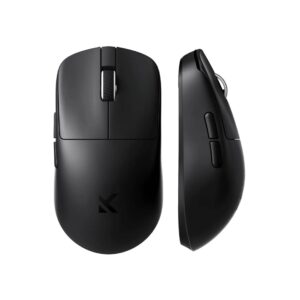
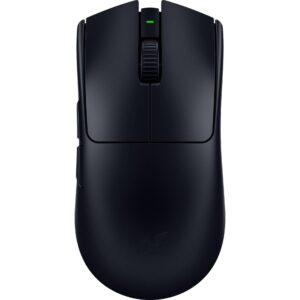
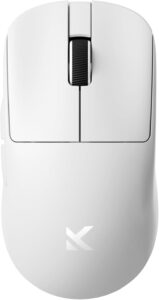
Mice with similar specs to the Endgame Gear OP1 8k v2
Ratings & reviews
No reviews yet. Be the first to share your experience.
The bottom line
The Endgame Gear OP1 8k v2 earns a VS Score of 60, above the median of the 81 mice it is measured against (a score of 50 is level with that median).
- Who it’s for
- A claw or fingertip player who plays at one desk, never wants to charge a mouse again, and puts aiming ahead of every convenience.
- Who should look elsewhere
- Anyone who moves the mouse between machines or wants a clear desk, and palm grippers who need a longer shell.
- The trade-off that matters
- The cable. It saves weight and cost, and it is the one thing a wireless rival does not ask you to live with.
- The main alternative
- Pulsar X2 CrazyLight: even lighter and wireless, with the same fast polling, for players who want the cable gone
The VS Score is calculated from the weighted specifications above, each measured against the median of comparable mice — a shortlisting guide, not a substitute for your own priorities. See how we score.