Corsair K70 CORE: Specs, Features, Pros & Cons
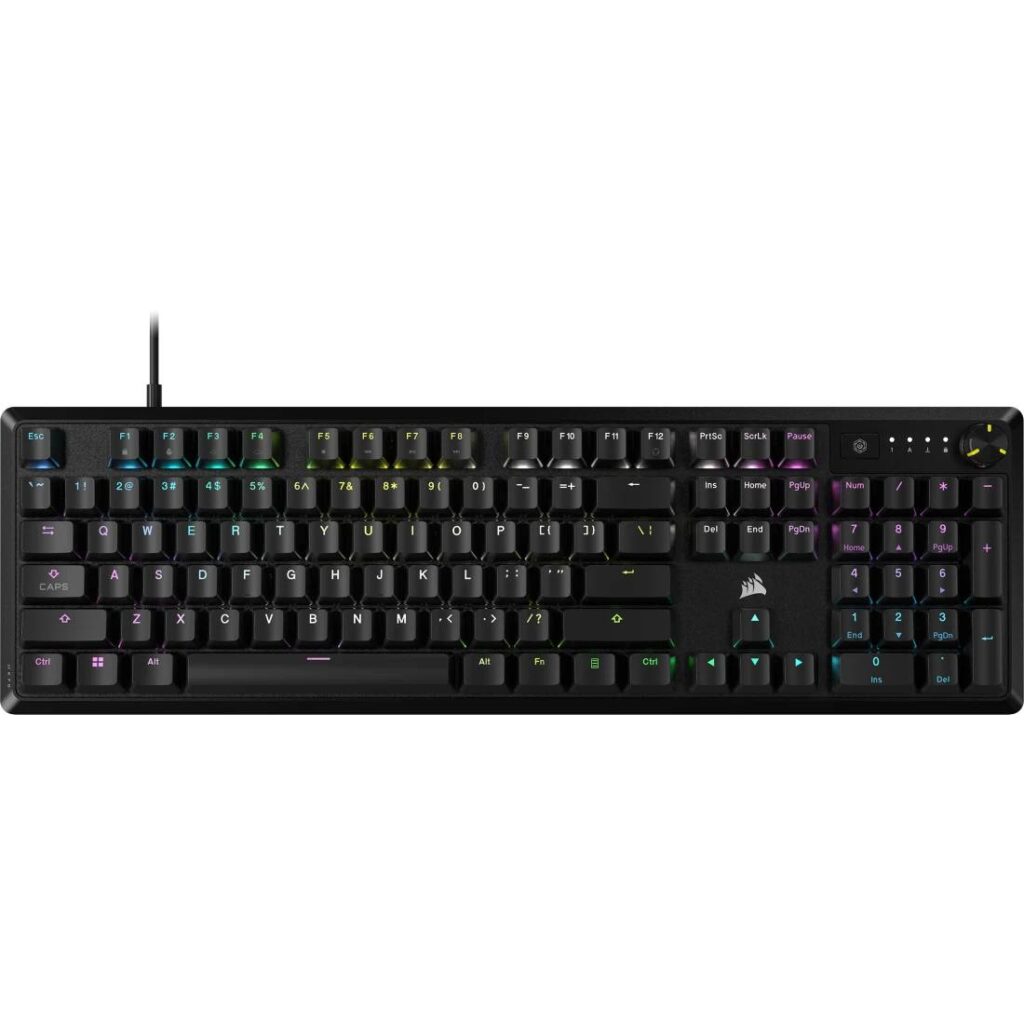
Corsair's stripped-back full-size board is best judged on what it kept rather than what it cut. What it kept is the layout and the controls: a full 104 keys with a numeric pad, a rotary knob, dedicated media keys, an aluminium top plate and sound dampening.
For a desk where the keyboard is the main instrument, that covers everything you reach for without looking. What went is the modern gaming checklist — no wireless, no hot-swap, no adjustable actuation — and the comparison below marks it down accordingly.
Category strengths
Where the Corsair K70 CORE beats the average
- Has rotary knob ?
- Has n-key rollover ?
- Has sound dampening ?
- Has onboard profiles ?
- Has configuration software ?
- Has media controls ?
- Has programmable keys ?
Where the Corsair K70 CORE trails the average
- A much lower polling rate ?1,000 Hz vs 3,902.44 Hz (avg)
- Fewer connection options ?
- No hot-swappable switches ?
- No adjustable actuation ?
- No analog input ?
- A slightly heavier actuation force ?45 g vs 44 g (avg)
- No USB passthrough ?
Editor’s note
The K70 CORE is Corsair's stripped-back full-size board, and it is best judged on what it kept rather than what it cut.
What it kept is the layout and the controls: 104 keys with a numeric pad, a rotary knob, dedicated media controls, an aluminium top plate and sound dampening. For a desk where the keyboard is the main instrument, that combination covers everything you reach for without looking.
What it cut is flexibility. The MLX Red linear switches are not hot-swappable, so the 45 g linear feel is permanent — fine if you know you like linears, limiting if you are still working that out. The keycaps are ABS rather than PBT, which means they will take on a shine with use. There is no wireless of any kind, no USB passthrough, and no Hall-effect sensing: no adjustable actuation, no rapid trigger, no analog input, and 1,000 Hz polling.
At 934 g and 448 mm wide it is a normal full-size footprint, lighter than the enthusiast boards here because the aluminium is a top plate rather than a full case.
Buy it if you want a solid, conventional full-size gaming keyboard with a volume wheel at a sensible price, and linear switches are what you want. Buy a hot-swappable board if you are unsure about switch feel, or a magnetic one if competitive response is the goal.
Specifications
Quality bars are generated automatically against 100 other keyboards.
Switches & typing
Performance
Layout & size
Connectivity
Build & sound
Features
Sources and verification
Where the specifications come from
- Official product pagecorsair.com
- Independent testingrtings.com
Verification
- First published
- Specifications last checked
- Sheet completeness
- 26 of 34 specifications verified; the rest show as Unknown and are never estimated or scored
- Basis
- Research-based: specifications and editorial text were compiled from the documents listed here and the manufacturer’s published data. We have not tested this unit ourselves; where independent measurements are mentioned they belong to the linked publication.
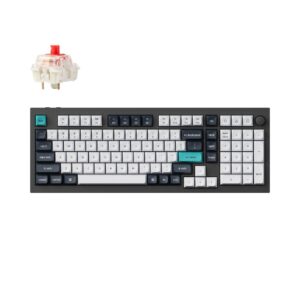
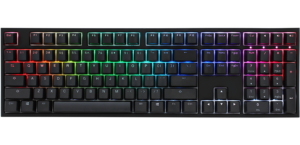
Keyboards with similar specs to the Corsair K70 CORE

Ratings & reviews
No reviews yet. Be the first to share your experience.
The bottom line
The Corsair K70 CORE earns a VS Score of 33, trailing most of the 101 keyboards we compare here, at least on the spec sheet. It stands out for rotary knob, n-key rollover and sound dampening. Just be aware of a much lower polling rate and fewer connection options before you buy. Weigh those trade-offs against what matters most to you.
The VS Score is calculated from the weighted specifications above, compared with every other keyboard we track — a shortlisting guide, not a substitute for your own priorities. See how we score.