Dreo Air Purifier 338S: Specs, Features, Pros & Cons
The only difference between this purifier and the cheaper 338 sitting beside it is a radio. Same body, same filter, same fan, same sensor. Dreo charges extra for Wi-Fi, an app and voice control, so the honest question is whether that extra is worth anything to you in particular.
It is worth paying if you will use scheduling, or check the air quality from your phone while you are out, or talk to it from across the room. It is not worth paying if what you want is a machine that senses the room and gets on with it, because the plain 338 already does exactly that. Automatic mode lives in the hardware, not in the app. Connectivity is not the thing that makes a purifier smart.
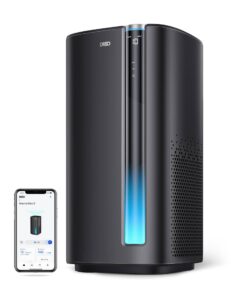
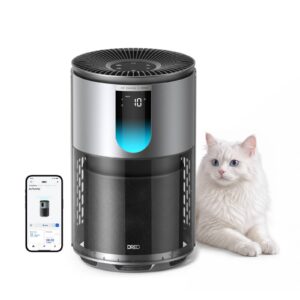
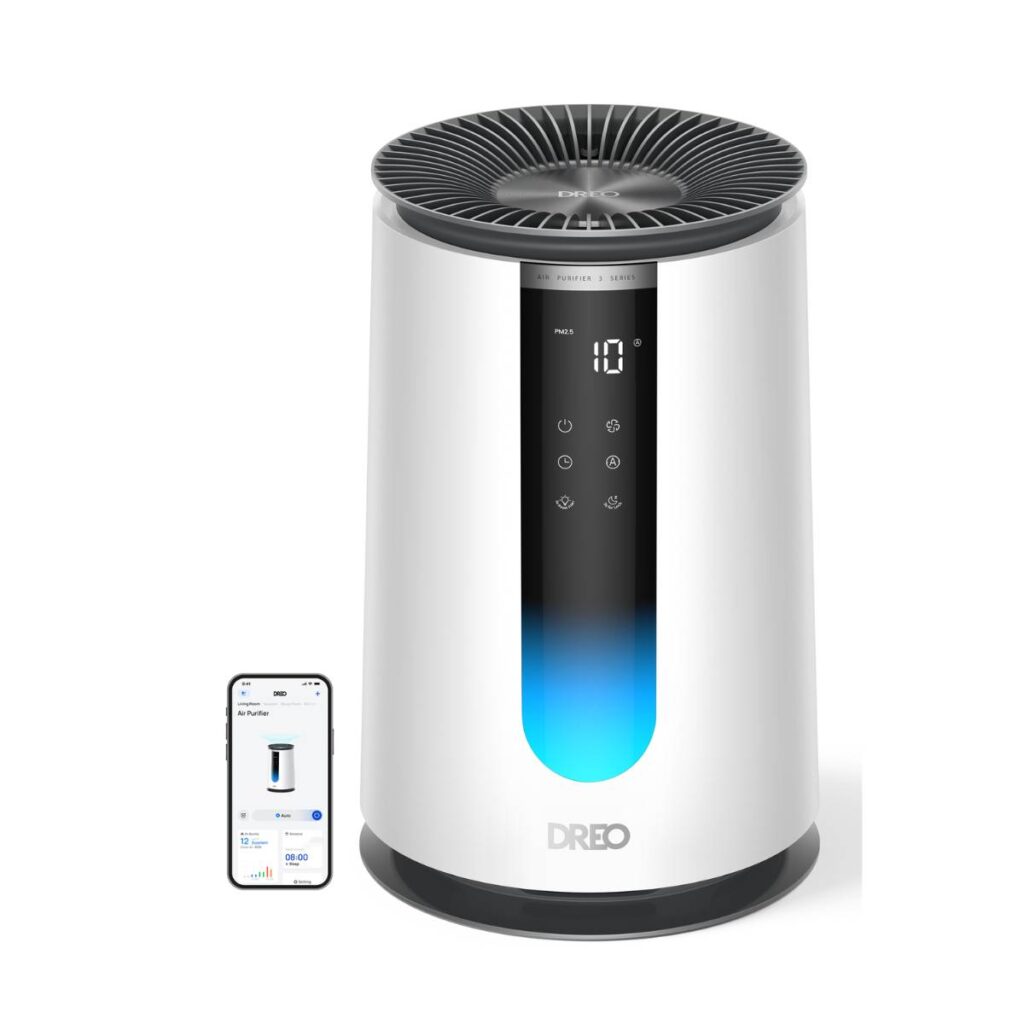
Physically this is Dreo's small cylinder, drawing air in through a full circle and aimed at a bedroom, a nursery or a home office. There are several fan speeds and airflow modes, a timer, a filter reminder, and an aroma pad slot that is precisely the gimmick it sounds like and harms nothing.
Two limitations belong on the record before you reach the table. Dreo does not publish separate smoke, dust and pollen ratings, so there is a single airflow figure here where the industry normally verifies three. And the coverage claim on the box describes a far larger room than this machine can meaningfully clean, because it is calculated on a much gentler assumption than the one used on this page.
Buy the S for the app. If the app is not the point for you, buy the other one and spend the difference on filters.
Category strengths
Where the Dreo Air Purifier 338S beats the median
- A lower min noise level ?18 dB vs 23 dB (median)
Where the Dreo Air Purifier 338S trails the median
- A much lower coverage area ?178 sq ft vs 354 sq ft (median)
- A lower CADR (smoke) ?115 CFM vs 161 CFM (median)
How this VS Score was computed
Score 57: each known spec is measured against the median of all air purifiers (41 products), then weighted; 50 means level with that median. In classes of six or more, a value beyond the class’s 10th–90th percentile range counts as that limit, so one extreme product cannot set the scale. 53% of the scoreable weight could be used; unknown values, features not applicable to this class and proxies (battery capacity where a rated life exists) add or remove nothing.
| Specification | This product | Cohort median | Score weight | Points moved |
|---|---|---|---|---|
| True HEPA filter | Yes | 61% of the class have it | 1.5 | +75.0 |
| Coverage area | 178 | 354 | 2 | −50.0 |
| CADR (smoke) | 115 | 161 | 2 | −28.0 |
| App control | Yes | 70% of the class have it | 0.5 | +25.0 |
| Min noise level | 18 | 23 | 1.5 | +21.0 |
| Voice assistant | Yes | 64% of the class have it | 0.3 | +15.0 |
| Filtration stages | 3 | 3 | 0.5 | +0.0 |
Not scored: Air changes per hour (unknown: not scored); Activated carbon filter (standard for the class (100% have it)); Washable pre-filter (unknown: not scored); Filter life (unknown: not scored); Max noise level (unknown: not scored); Power consumption (unknown: not scored); Sleep mode (standard for the class (95% have it)); Weight (unknown: not scored); Air quality sensor (standard for the class (93% have it)); Auto mode (standard for the class (90% have it)); Filter replacement indicator (standard for the class (97% have it)); Timer (standard for the class (88% have it)).
Editor’s note
The 338S is Dreo's entry smart purifier: the same compact 360-degree cylinder as the non-smart 338, with Wi-Fi, an app and voice-assistant control added. Everything that matters about how it cleans a room is shared with the cheaper model, so the decision is whether you want to schedule it, check air quality from your phone, or say a sentence to turn it on. If you will use those things daily, the S is worth it. Set it to auto and forget it, and the plain 338 does the same job.
The numbers are small-room numbers, and Dreo's marketing makes them look bigger than they are. Dreo quotes 115 CFM, which it labels a CADR, and a headline coverage of 856 square feet. That area is a one-air-change-per-hour figure. At the 4.8 changes per hour the industry uses for a proper clean, the same unit covers about 178 square feet, which is a bedroom or a home office, not an open-plan living space. Dreo publishes no separate smoke, dust and pollen ratings, so I have recorded its single figure and said so in the notes.
What it does well is be quiet and simple. The minimum noise level is 18 dB, which is close to inaudible in sleep mode, and there are six fan speeds, four airflow modes, a 12-hour timer, a real-time air-quality sensor driving an auto mode, and a filter-change reminder. The filter is a three-stage unit with an aroma pad slot, which is a gimmick but a harmless one. Dreo does not publish power draw, filter life in months, weight or the maximum noise level, so those fields are left empty.
Buy it for a bedroom, nursery or office where quiet matters and you want app control. Do not buy it for a large room on the strength of the 856 square foot claim.
Specifications
Quality bars show where each figure sits between the lowest and highest of the 41 air purifiers this VS Score is measured against.
Performance
Filtration
Noise & power
Design
Smart features
Sources and verification
Where the specifications come from
- Official product pagedreo.com
- Independent testingrtings.com
Verification
- First published
- Specifications last checked
- Sheet completeness
- 14 of 22 specifications verified; the rest show as Unknown and are never estimated or scored
- Page type
- Product specification page — Compiled from the manufacturer’s published specifications and the cited sources; this is not a hands-on test.
- Basis
- Research-based: specifications and editorial text were compiled from the documents listed here and the manufacturer’s published data. We have not tested this unit ourselves; where independent measurements are mentioned they belong to the linked publication.
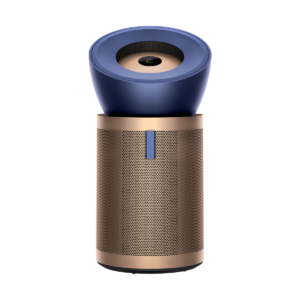
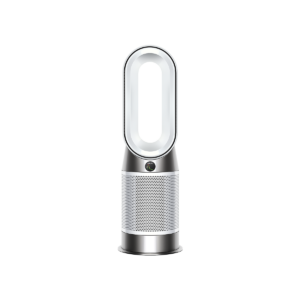
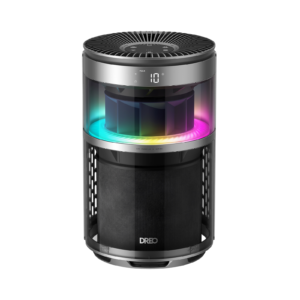
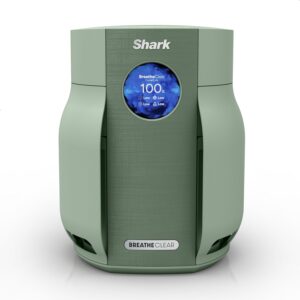
Air Purifiers with similar specs to the Dreo Air Purifier 338S
Ratings & reviews
No reviews yet. Be the first to share your experience.
The bottom line
The Dreo Air Purifier 338S earns a VS Score of 57, above the median of the 41 air purifiers it is measured against (a score of 50 is level with that median).
- Who it’s for
- Bedrooms, nurseries and home offices where a near-silent floor and app scheduling matter, for buyers who will use the smart features.
- Who should look elsewhere
- Large or open-plan rooms: at a proper cleaning rate it covers a bedroom-sized area, far short of the box claim. Also not for anyone who wants AHAM-verified smoke/dust/pollen ratings, which Dreo does not publish.
- The trade-off that matters
- Quiet, compact and smart against modest real-world coverage, a single unverified airflow figure in place of proper CADR ratings, and several specs Dreo does not publish.
- The main alternative
- Dreo Air Purifier 338: the identical purifier without Wi-Fi, app or voice control, for anyone who would set auto mode once and never touch it again. It is the cheaper way to get the same clean air.
The VS Score is calculated from the weighted specifications above, each measured against the median of comparable air purifiers — a shortlisting guide, not a substitute for your own priorities. See how we score.