Small phones used to be normal. Now, most new smartphones feel tall, heavy, and a bit too serious. The Ikko MindOne Pro goes in a different direction. It is a tiny square-ish Android phone with a flip camera, AI tools, global internet features, and an optional QWERTY keyboard case.
That mix gives it a personality that many modern phones lack. It is not trying to beat a Galaxy Ultra or an iPhone Pro Max on screen size. Instead, it aims at people who want something lighter, more pocketable, and a little more fun to use.
The MindOne Pro feels like a phone for quick notes, travel, messages, translation, music, and simple daily tasks. It can still run Android apps, but its shape and size push it toward shorter, more intentional use. For many people, that may be the whole point.
A Tiny Phone With a Shape That Stands Out
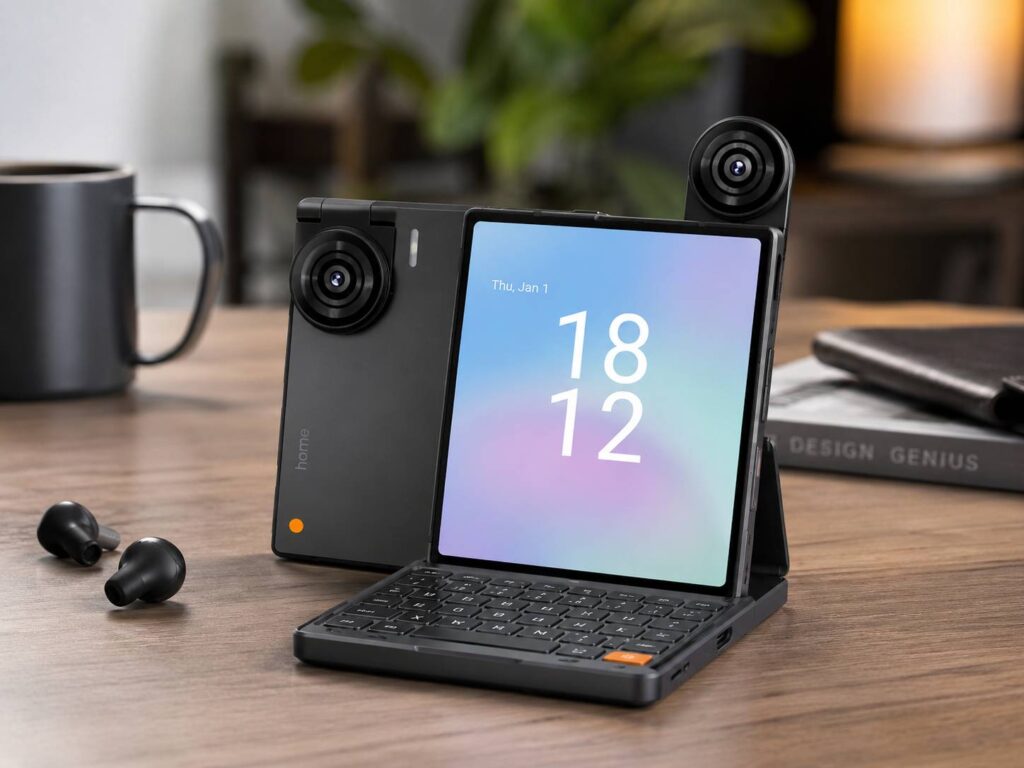
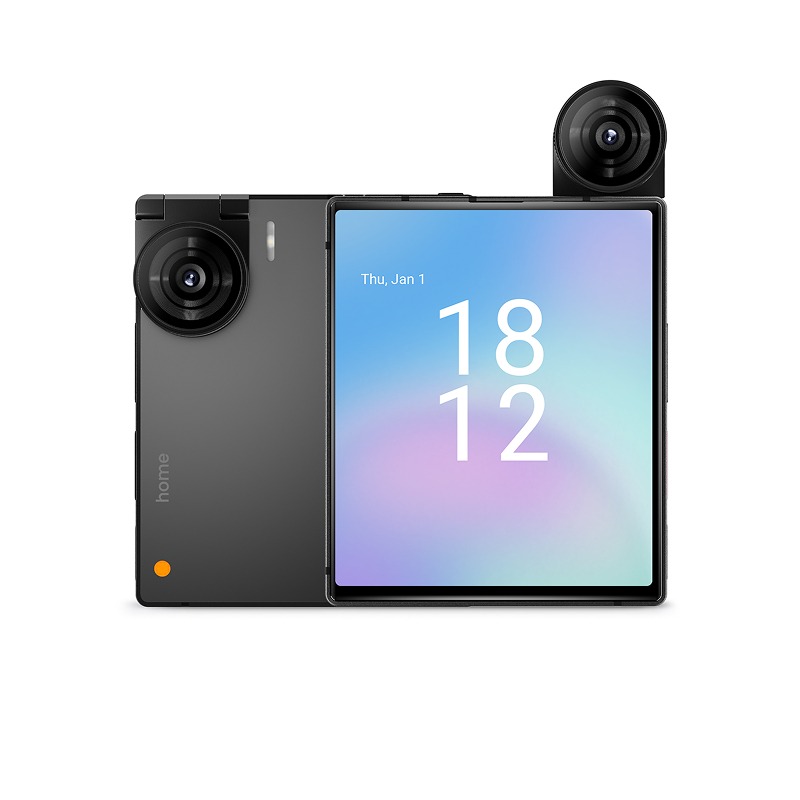
The first thing you notice about the Ikko MindOne Pro is the shape. It has a compact square-ish body built around a 4.02-inch AMOLED display. The screen has a 1240 x 1080 resolution and a 90Hz refresh rate, so it is not a basic low-end panel. It is small, but it still looks sharp on paper.
This format changes how the phone feels. A square display makes the device look more like a pocket notebook than a regular smartphone. It should work well for quick messages, voice notes, maps, translation, and music controls. At the same time, it will not feel as natural for long videos, big webpages, or apps designed around tall screens.
That trade-off is part of the charm. The MindOne Pro does not seem built for people who spend hours scrolling feeds. It feels better suited to users who want a phone that gets out of the way after the task is done.
Its 136g weight adds to that appeal. Many flagship phones now pass 200g, so a smaller phone like this can feel refreshing in daily use.
The Flip Camera Gives the MindOne Pro Its Fun Side
The 50MP flip camera is the feature that makes the Ikko MindOne Pro stand out most. Instead of using one rear camera and a weaker front camera, this phone uses a 180-degree rotating Sony camera system. The same main camera can face outward for regular photos or flip forward for selfies and video calls.
That is a clever use of space. Small phones do not have much room for large camera modules, so a rotating design helps the MindOne Pro do more with less hardware. It also gives the phone a mechanical feel that most modern devices no longer have.
The camera uses a 1/1.56-inch Sony sensor with an f/1.88 aperture, optical image stabilization, LED flash, and 1440p video recording at 30fps. Those are solid specs for such a compact phone. Still, real photo quality will depend on software processing, autofocus, low-light performance, and how stable the flip mechanism feels after long-term use.
My honest opinion: the flip camera is the best idea on this phone. It makes selfies more useful, saves space, and gives the device a playful identity without turning it into a gimmick.
The Keyboard Add-On Brings Back Physical Typing
The optional keyboard case may be the second biggest reason people notice the MindOne Pro. It snaps onto the phone magnetically and adds a small physical QWERTY keyboard. That alone makes the device feel different from almost every smartphone sold today.
The keyboard case also includes a 500mAh battery, a Cirrus Logic CS43198 DAC, and a 3.5mm headphone jack. That is a rare combination. Physical keys and wired audio have both disappeared from most mainstream phones, so this accessory gives the MindOne Pro a stronger identity.
It will not replace a laptop keyboard, of course. The phone is too small for that. Still, it could work well for short emails, quick notes, travel logs, passwords, chat replies, and light productivity. People who miss BlackBerry-style typing may find it more comfortable than tapping on a tiny on-screen keyboard.
There is a nice productivity angle here too. Compact gear can make work feel less clunky, especially for short tasks. For example, people who like smaller office accessories, such as the Razer Pro Click Mini, may understand the appeal of a tiny phone that focuses on control, portability, and quick input.
Android 15 and iKKO AI OS Make It More Flexible
The MindOne Pro runs Android 15 with iKKO AI OS on top. That makes it more capable than a basic minimalist phone. You can use Android apps, normal phone features, and AI tools from the same device.
The AI side includes features for translation, voice notes, summaries, podcasts, and assistant-style tasks. That gives the phone a useful travel and work angle. You can record ideas, translate conversations, summarize information, and handle quick tasks without pulling out a larger phone or laptop.
The phone also supports a Nano SIM and vSIM. The Pro model includes free AI internet for supported AI features in many regions, plus paid global data options through vSIM. That makes it more interesting for people who travel often or want a compact backup phone.
This is where the MindOne Pro starts to feel more serious. It is not only a cute mini phone. It is a small Android device with AI tools, mobile connectivity, and enough flexibility for real daily use.
Useful Specs Without Trying to Be a Flagship
The Ikko MindOne Pro uses a MediaTek MT8781 chip, 8GB of RAM, and 256GB of storage. It does not have expandable storage, so buyers need to be comfortable with the built-in capacity.
The battery is rated at 2200mAh. That sounds small next to large Android phones, but the screen is much smaller too. Ikko lists up to 16 hours of video playback. Real battery life still needs proper testing, since brightness, mobile signal, AI tools, camera use, and app behavior can change the result a lot.
Key specs include:
- 4.02-inch AMOLED display
- 1240 x 1080 resolution
- 90Hz refresh rate
- 50MP 180-degree Sony flip camera
- Optical image stabilization
- 1440p video at 30fps
- MediaTek MT8781 processor
- 8GB RAM
- 256GB storage
- Android 15 with iKKO AI OS
- Nano SIM and vSIM support
- Wi-Fi 5 and Bluetooth 5.2
- NFC
- USB-C with OTG support
- IP54 dust and splash resistance
- 2200mAh battery
- 136g body weight
The Pro model also gets Sapphire Glass with 9H hardness. That is useful on a compact phone that will probably spend a lot of time in pockets and small bags.
Who the Ikko MindOne Pro Makes Sense For
The MindOne Pro is not a phone for everyone. People who watch a lot of video, play demanding games, edit photos, or multitask across large apps will probably prefer a bigger screen. A square-ish 4.02-inch display will feel tight for those uses.
The phone makes more sense for people who want:
- A tiny Android phone
- A compact second phone for travel
- A phone with a physical keyboard option
- A pocket AI assistant
- A small phone for notes and messages
- A fun flip camera phone
- A lighter alternative to large smartphones
- A device with wired audio through the keyboard case
For these users, the MindOne Pro could feel refreshing. It brings back the idea that phone hardware can be playful and practical at the same time.
Why This Tiny Square Phone Feels Important
The Ikko MindOne Pro is interesting because it does not follow the usual smartphone formula. Many phones now look and feel very similar. They have large screens, big camera bumps, glass bodies, and almost no physical controls. The MindOne Pro breaks that pattern.
It has a tiny square-ish shape, a rotating camera, a keyboard add-on, AI tools, and travel-friendly connectivity. Some parts may feel niche, and that is fine. Phones do not all need to target the same buyer.
My real opinion is simple: the MindOne Pro feels exciting because it takes risks. It may not replace a mainstream flagship for most people, but it gives compact phone fans something to talk about. It also shows that small phones can still have character.
For users searching for a tiny Android phone, square smartphone, flip camera phone, compact AI phone, or Android phone with keyboard case, the Ikko MindOne Pro is one of the more unusual devices to watch in 2026.