
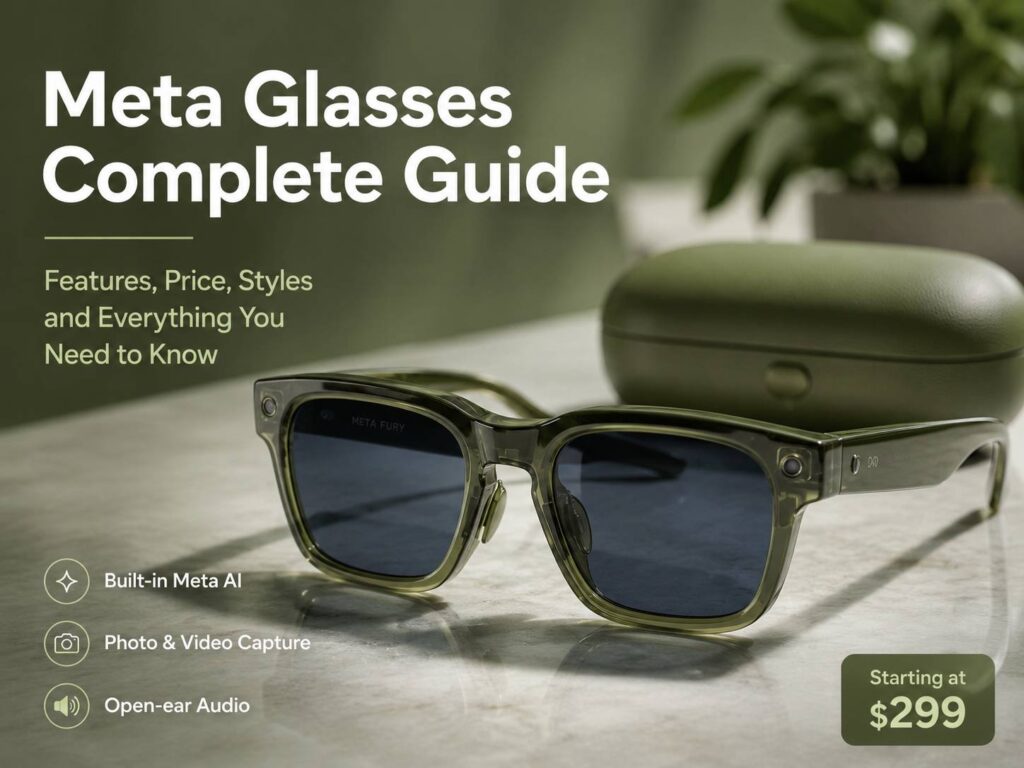
Meta Is Bringing Smart Glasses Closer to Everyday Buyers
Meta has launched a new line of AI smart glasses, and the biggest change is easy to notice: these are Meta-branded glasses, not Ray-Ban Meta glasses. The starting price is $299, which puts them closer to premium earbuds, smartwatches, and regular designer eyewear.
That lower price matters. Smart glasses still feel new to many people, and most buyers do not want to spend laptop money on a product they have never worn before. So, Meta’s cheaper model gives curious users a safer way to try wearable AI.
This launch says a lot about Meta’s confidence too. Ray-Ban helped earlier Meta smart glasses look more normal in public. The famous frame styles made the product feel less like a strange gadget and more like regular eyewear. Now, Meta wants its own name to carry the category.
In my opinion, that is the real story here. Meta is not only building smart glasses. It is trying to build a wearable brand people recognize without Ray-Ban on the frame.
What Meta Glasses Offer
The new Meta Glasses are made with EssilorLuxottica, the eyewear group behind Ray-Ban, Oakley, and several other major brands. So, even without Ray-Ban branding, Meta still has a serious eyewear partner behind the frames.
That matters more than a spec sheet can show. Glasses sit on your face for hours. They need to feel comfortable, fit well, support prescription lenses, and look natural in daily life. A phone can be bulky and still sell. Glasses cannot.
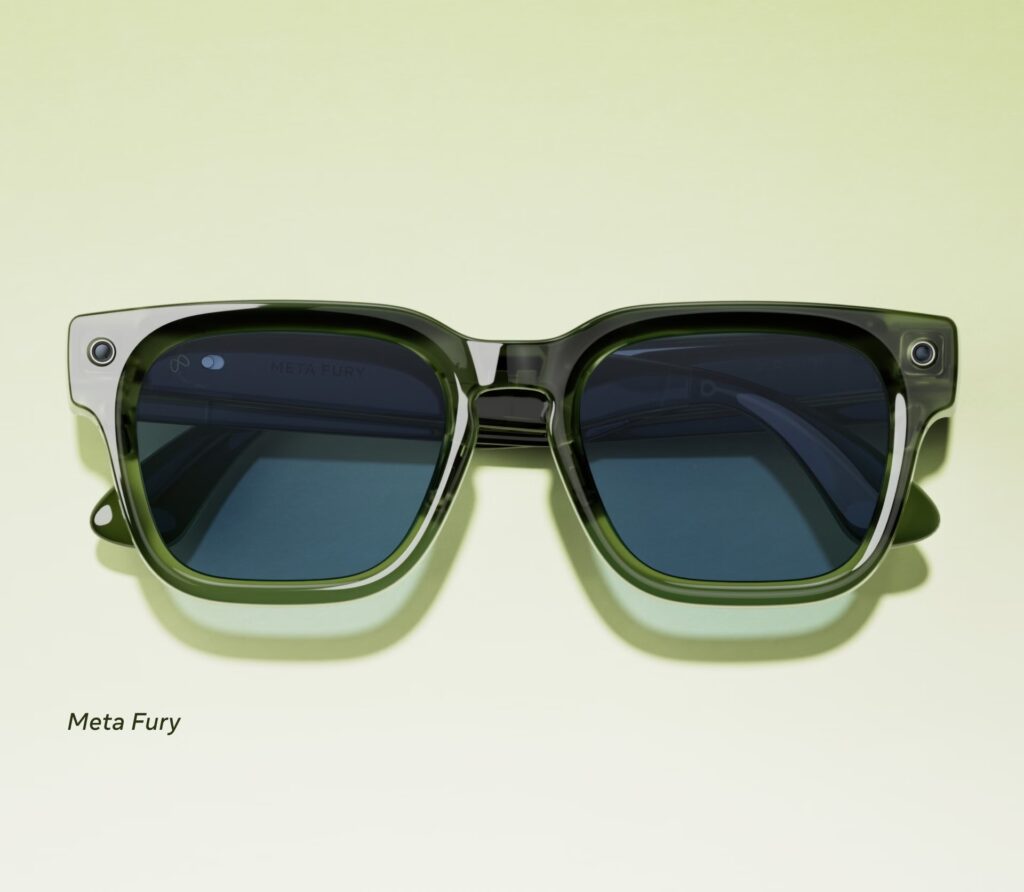
At launch, the Meta Glasses line includes 26 styles across different frames, colors, and lens choices. Buyers get several design directions, including Meta Adventurer, Meta Fury, and Meta Glasses by Kylie.
The Kylie Jenner model will likely get plenty of attention online. Some people will call it a celebrity push, but it makes sense. Wearable tech needs fashion appeal. A smart glasses product has to look good before people care about the software.
Key features include:
- Built-in Meta AI
- A dedicated action button
- Open-ear speakers
- Multi-microphone audio
- Wind noise reduction
- Hands-free photo and video capture
- Prescription lens support
- Over 8 hours of battery life
- Charging case with up to 40 extra hours
- Adjustable nose pads and temple tips
That feature set shows where Meta thinks smart glasses fit right now. These are not full augmented reality glasses. They are everyday AI glasses built for calls, photos, voice help, audio, and quick tasks.
The $299 Price Makes the Launch More Interesting
The $299 starting price is the most practical part of this launch. It does not make Meta Glasses cheap in a normal eyewear sense, but it makes them easier to compare with other personal tech products.
For example, many buyers already spend similar money on premium earbuds, fitness watches, or prescription frames. So, Meta can pitch these glasses as a daily device, not a luxury experiment.
That price also creates a clear gap between these glasses and Meta’s pricier display models. Not every buyer wants a screen in their glasses. Many people just want AI help, good call quality, hands-free capture, and audio without wearing earbuds.
This is where the cheaper model makes sense. Meta can reach people who like the idea of smart glasses but do not want the cost, weight, or attention that comes with display eyewear.
The timing matters too. Smart eyewear is getting more active across the market, and readers following new launches will notice the overlap with Snap Specs finally go on sale. That competition makes price, comfort, and daily usefulness more important than hype.
Why the Missing Ray-Ban Name Matters
Dropping Ray-Ban branding is a bold choice. Ray-Ban gave Meta instant style trust. People already knew the Wayfarer shape, and that made the first Ray-Ban Meta glasses easier to accept.
Meta Glasses have a different job. They need to prove that Meta’s own name can work in eyewear. That is not easy. Meta is a strong tech brand, but eyewear buyers often care about style, identity, and fit before they care about processors or AI tools.
Still, the move gives Meta more control. It can create more frame styles, reach different buyers, test lower prices, and build a separate identity for wearable AI. That freedom matters if Meta wants smart glasses to become a large product line.
My honest opinion: the no-Ray-Ban branding is both smart and risky. It gives Meta more room to grow, but it removes a trusted fashion name from the front of the product. The glasses now have to look good on their own.
Meta AI Is the Feature That Needs to Prove Itself
Meta AI sits at the center of the new glasses. The idea is simple: you ask questions, get help, capture what you see, and handle small tasks without pulling out your phone.
That can be useful in real life. You can ask about something in front of you, take a quick photo, record a short clip, listen to a podcast, or answer a call. Then, you can keep walking, cooking, shopping, or working without holding a device.
This is the strongest reason smart glasses exist. Phones are powerful, but they still require your hands and attention. Glasses can make some tasks feel faster and more natural.
Even so, the AI needs to work well every day. Fast answers matter. Clear audio matters. Strong microphones matter. Better context matters too. People will not keep using smart glasses only because the idea sounds cool.
Meta has a real chance here, but the product has to feel helpful after the first week.
Privacy Remains the Toughest Question
Smart glasses with cameras still create privacy concerns. Meta can add lights, controls, and privacy settings, but people around the wearer still need to feel comfortable.
That is the hard part. The issue is not only technical. It is social. A person wearing camera glasses in a café, office, school, gym, or private event can make others uneasy.
Meta needs clear recording signals and simple controls. Buyers need to use the glasses with common sense too. If people feel secretly recorded, the product will face pushback.
This is one reason cheaper smart glasses can grow slowly at first. The hardware may be ready, but public comfort takes more time.
Who Should Care About Meta Glasses?
Meta Glasses make the most sense for people who already like hands-free tech. They fit users who take calls often, listen to audio during the day, use voice assistants, travel, create social content, or want quick AI help.
They can be useful for:
- Commuters who want calls and audio without earbuds
- Parents who want quick hands-free photos
- Travelers who want voice help and translation tools
- Creators who want first-person video clips
- Prescription glasses users who want extra tech in daily frames
- Tech fans who want to try AI wearables at a lower price
They are not for everyone. People who dislike cameras on glasses will not change their mind overnight. Buyers who want full AR visuals will need a different product. Users who only need music and calls may still prefer earbuds.
Still, the cheaper price makes the product easier to test. That is what Meta needs right now.
What This Means for Smart Glasses
Meta’s new glasses show where the smart eyewear market is heading. The next big wave does not need to start with full AR. It can start with AI, audio, cameras, comfort, and lower prices.
That path feels more realistic. Full AR glasses still need lighter parts, better battery life, stronger apps, and prices that make sense for regular buyers. AI glasses without displays are easier to sell today.
The $299 price gives Meta a stronger entry point. The larger style range helps too. The missing Ray-Ban name makes the launch more interesting, since it shows Meta wants its own wearable identity.
My opinion is simple: Meta Glasses are not the final version of smart eyewear, but they are a smart middle step. They ask people to change one habit at a time. Put on normal-looking glasses, use voice, capture moments, listen to audio, and let AI handle small tasks.
That feels much easier to accept than a full computer on your face.
Final Thoughts
Meta’s cheaper smart glasses are more than a new gadget. They show Meta’s plan to make wearable AI feel normal, useful, and easier to buy.
The $299 starting price will get attention. The 26 styles give buyers more choice. Meta AI gives the glasses a clear reason to exist beyond photos and calls. At the same time, privacy, comfort, and real-world AI quality will decide whether people keep using them.
The lack of Ray-Ban branding is the biggest branding test. If Meta can make its own glasses feel stylish and practical, it gains more control over the future of smart eyewear. If buyers still prefer Ray-Ban or Oakley models, Meta will learn that fashion trust is harder to build than software.
For now, Meta Glasses look like a serious step toward cheaper AI smart glasses for everyday users. They are not perfect for everyone, but they make the category easier to understand, easier to try, and easier to talk about.