
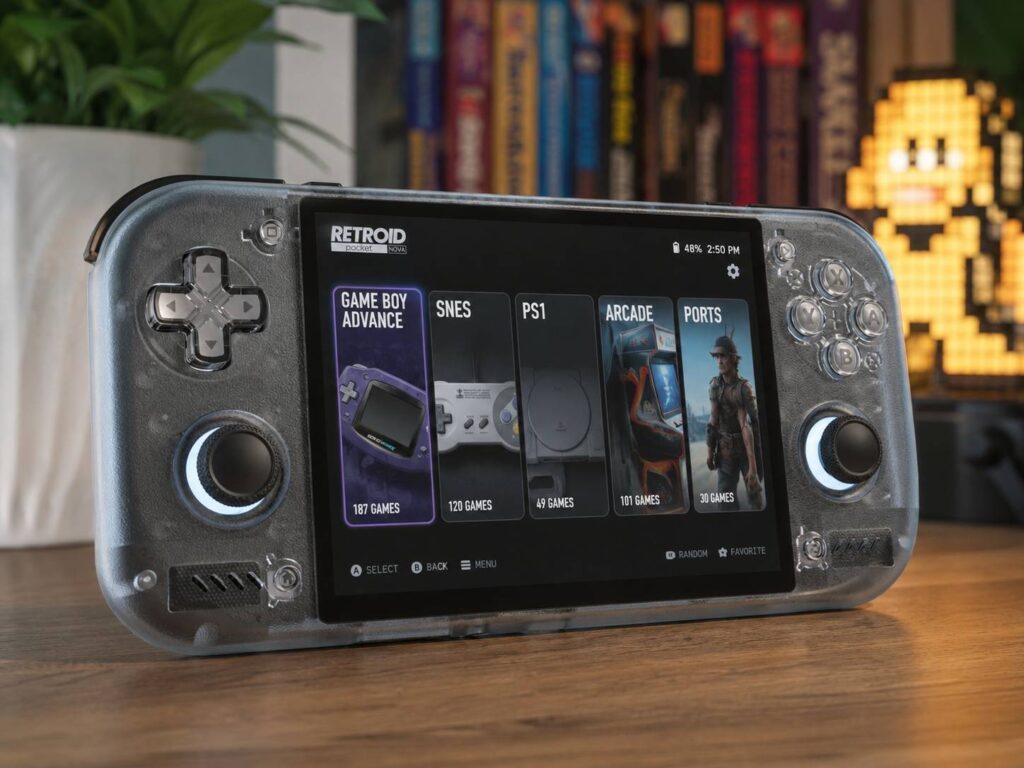
The Retroid Pocket Nova is shaping up to be one of the more interesting retro handhelds of 2026. It has a compact body, a 4:3 AMOLED display, modern Android hardware, and enough power on paper to handle far more than basic 8-bit games.
That 4:3 screen is the part that makes it stand out. Many older consoles were built for square-ish TV screens, not wide displays. So, for systems like NES, SNES, Genesis, PlayStation, Nintendo 64, Dreamcast, and many arcade games, the Nova’s screen shape should feel more natural than a typical 16:9 handheld.
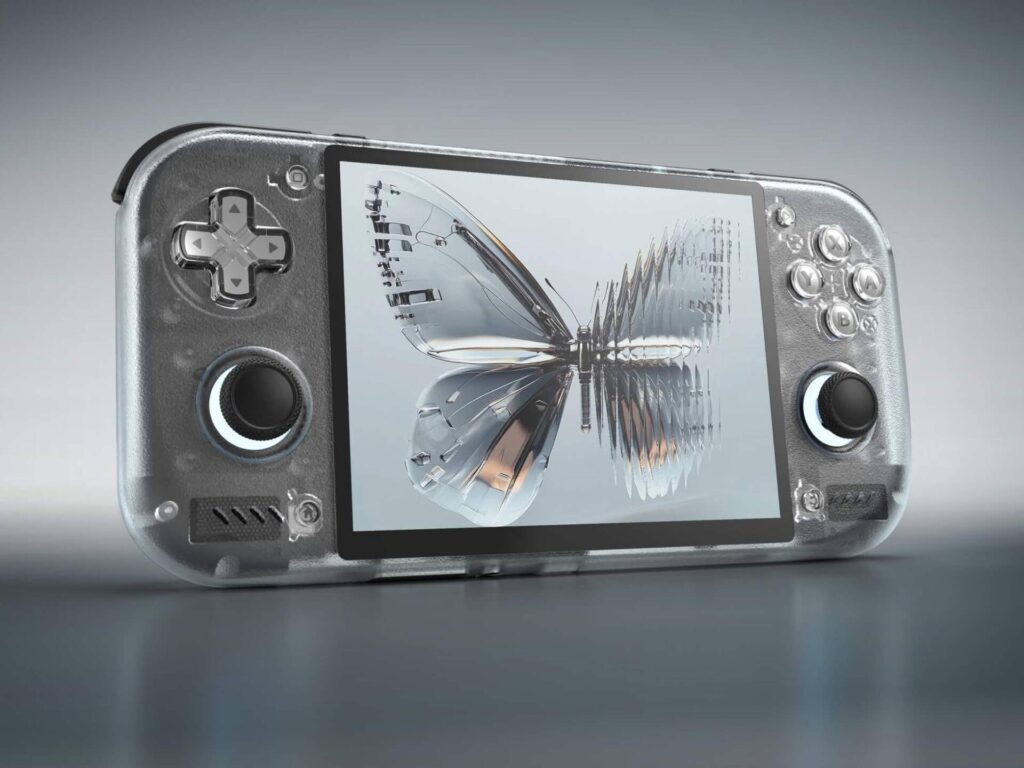
Retroid lists the Pocket Nova with a QCS8550 processor, Adreno 740 graphics, 8GB or 12GB of LPDDR5x RAM, 128GB of UFS 3.1 storage, Android 13, Wi-Fi 7, Bluetooth 5.3, active cooling, and a 5,000mAh battery. It also includes analog L2 and R2 triggers, 3D Hall sticks, and a 4.5-inch AMOLED 960p display with a 120Hz refresh rate.
Those specs make the Nova look more serious than a simple nostalgia device. It is still made for retro gaming, but it does not feel stuck in the past.
Why the Retroid Pocket Nova screen feels like a smart choice
The 4.5-inch AMOLED display is the main reason retro gaming fans will pay attention to the Pocket Nova. A lot of handhelds use wide screens, which work well for PSP games, Android titles, cloud gaming, and streaming. Classic console games often sit between black bars on those devices, or they need to be stretched.
The Nova takes a cleaner route. Its 4:3 shape fits many older games better. That means less wasted screen space and a more authentic look for classic systems.
AMOLED should help the whole experience feel richer, too. Deep blacks, strong contrast, and punchy colors suit pixel art, arcade games, RPG menus, and darker game scenes. A good screen can make old games feel fresh without changing the games themselves.
The 120Hz refresh rate is a nice bonus. Most retro games do not need it, but menus, Android apps, and supported modern games should feel smoother. It gives the device a more polished feel, especially for users who switch between emulation, Android apps, and game streaming.
The hardware looks ready for more than light emulation
The Retroid Pocket Nova does not look like a budget-only handheld. Its QCS8550 chip and Adreno 740 GPU give it much stronger hardware than many entry-level retro devices. Real-world tests will tell the full story, but the official specs suggest solid headroom for a wide range of systems.
The 8GB RAM model should suit most retro players. It should be enough for classic systems, lighter Android games, front ends, and everyday use. The 12GB version makes more sense for people who want extra room for heavier emulators, texture packs, multitasking, and more demanding Android games.
Storage also looks practical. Retroid lists 128GB of UFS 3.1 storage, plus support for a TF card. That matters for retro gaming, since game libraries can grow fast. Disc-based systems, scraped artwork, save states, BIOS files, and texture packs can take up more space than expected.
Android 13 gives the Nova access to a broad app library. Users can install emulators, front ends, cloud gaming apps, streaming tools, file managers, and controller utilities. That makes the device more flexible than a closed retro handheld with a fixed software setup.
Controls that fit both old and newer games
Good controls can make or break a retro handheld. The Pocket Nova looks promising here, at least from the official feature list. Retroid includes 3D Hall sticks, analog L2 and R2 triggers, and active cooling.
Hall sticks are a welcome detail. They should reduce the risk of stick drift compared with many older analog stick designs. That is useful on any handheld, but it matters even more on a device that people may carry around and use often.
Analog triggers make the Nova more useful for racing games, Dreamcast titles, Android games, and streaming from a PC or console. Many retro handhelds feel built only for simple D-pad games. The Nova seems better prepared for a wider mix.
Active cooling is another good sign. More powerful chips can get warm in small handhelds. A fan can help the system hold steadier performance during longer play sessions. Battery life, fan noise, and heat still need proper testing, but active cooling is a positive start.
Who the Retroid Pocket Nova makes sense for
The Retroid Pocket Nova looks best for players who care mostly about classic games. Its 4:3 display gives it a clear purpose, and that purpose matters.
It should be a strong fit for:
- NES, SNES, Genesis, and PC Engine games
- Arcade titles made for 4:3 displays
- PlayStation and Nintendo 64 games
- Dreamcast games
- Game Boy, Game Boy Color, and Game Boy Advance titles
- Android emulation fans who prefer a compact device
- Players who want a premium screen for older games
It may not be the perfect choice for everyone. PSP games, widescreen Android games, and modern streaming can work better on a 16:9 handheld. That does not make the Nova weaker. It just means it has a clear focus.
This is what I like about it. Retroid did not try to make the biggest screen possible. Instead, the company appears to have built a handheld around the shape that many retro games actually need.
A price that makes the Nova worth watching
Retroid lists the Pocket Nova from $229. That puts it above many cheap retro handhelds, but the hardware list makes the price easier to understand. AMOLED, 120Hz, Wi-Fi 7, Bluetooth 5.3, UFS 3.1 storage, active cooling, Hall sticks, and a 5,000mAh battery are not throwaway features.
Buyers should still wait for owner feedback and detailed testing. Specs are useful, but comfort, heat, fan noise, battery life, software polish, and emulator setup matter just as much. A handheld can look excellent on paper and still feel average in daily use.
Still, the Nova has a strong pitch. It gives retro fans a modern 4:3 Android handheld without pushing them into a bulky design. That alone makes it more interesting than many devices that chase bigger screens without thinking enough about classic game formats.
What to check before buying
Before ordering the Retroid Pocket Nova, it is worth checking a few details carefully:
- Current stock and shipping dates
- The difference between the 8GB and 12GB models
- Available color options
- Early owner feedback
- Battery life tests
- Fan noise tests
- Heat under longer gaming sessions
- Emulator performance for your favorite systems
- Button comfort and grip feel
- Long-term repair support
Repair support is easy to forget, but it matters for handheld gaming devices. Sticks, buttons, shells, screens, and batteries can wear down over time. If you care about keeping a handheld for years, parts availability should be part of the buying decision. We have already seen that this topic matters in the retro handheld space, especially now that Anbernic replacement parts are now available.
My honest opinion on the Retroid Pocket Nova
The Retroid Pocket Nova looks more exciting than many retro handhelds because it has a clear reason to exist. It is not only another Android handheld with stronger specs. It solves a real retro gaming problem by pairing modern hardware with a 4:3 AMOLED screen.
That makes it feel focused. It should appeal to people who want classic games to look right, not just run. The 960p AMOLED display, compact shape, Hall sticks, analog triggers, active cooling, and Android software base all help the Nova feel like a serious option for retro fans.
The final verdict should wait for real testing. Battery life, comfort, heat, fan noise, and software stability will decide how good it feels day to day. Still, the early picture is strong.
For retro players who want a premium 4:3 handheld in 2026, the Retroid Pocket Nova deserves attention. It looks practical, powerful, and better matched to classic games than many wide-screen alternatives.