
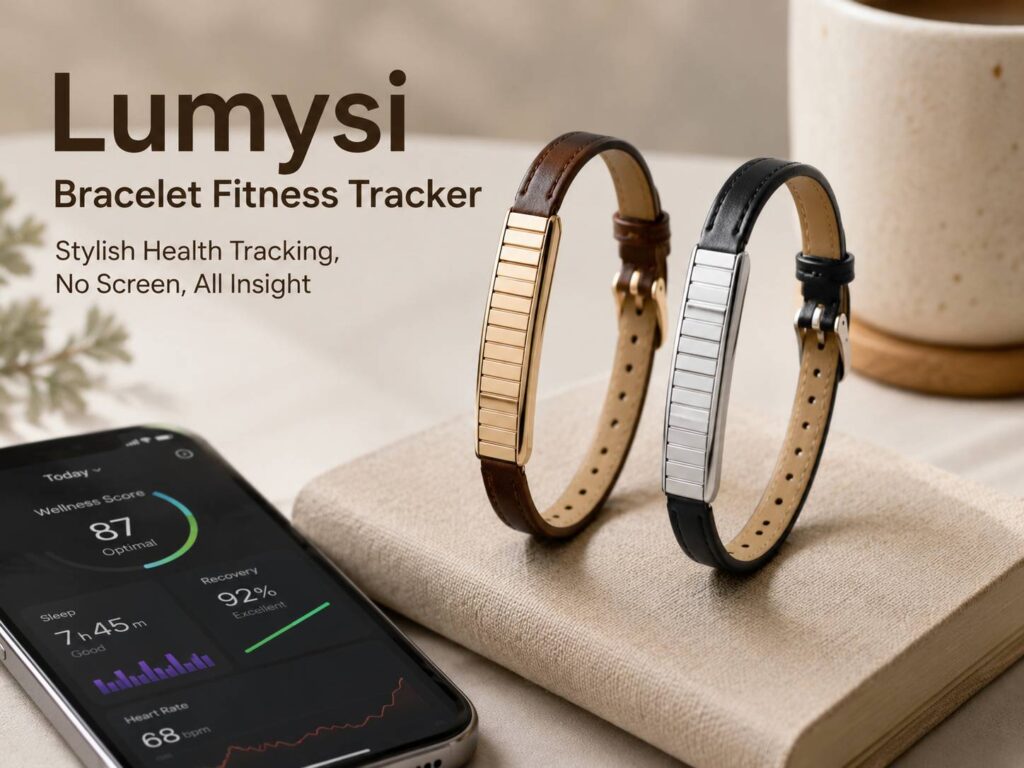
The Lumysi bracelet fitness tracker takes a different route from most wearables. Instead of adding another bright screen to your wrist, it hides health sensors inside a bracelet that looks closer to jewelry than a fitness band.
That alone makes it interesting. Many people like the idea of tracking sleep, recovery, heart rate, and daily activity, but they do not always want to wear a sporty band or full smartwatch. Lumysi seems built for that exact group.
It is not trying to replace an Apple Watch, Garmin, Fitbit, Whoop, or smart ring. It feels more like a quiet health tracker for people who want useful wellness data without calls, apps, alerts, and constant wrist distractions.
My honest opinion is simple: Lumysi has a smart idea behind it. A lot of people quit wearing fitness trackers not due to poor data, but due to comfort, looks, charging habits, or notification fatigue. A bracelet-style tracker makes sense, especially for users who want something more polished. Still, buyers should see it as a new wearable project, not a fully proven medical device.
What Is the Lumysi Bracelet Fitness Tracker?
Lumysi is a screen-free wellness bracelet designed to track health and activity data in the background. It connects to a mobile app and presents the collected data there, rather than showing numbers directly on the device.
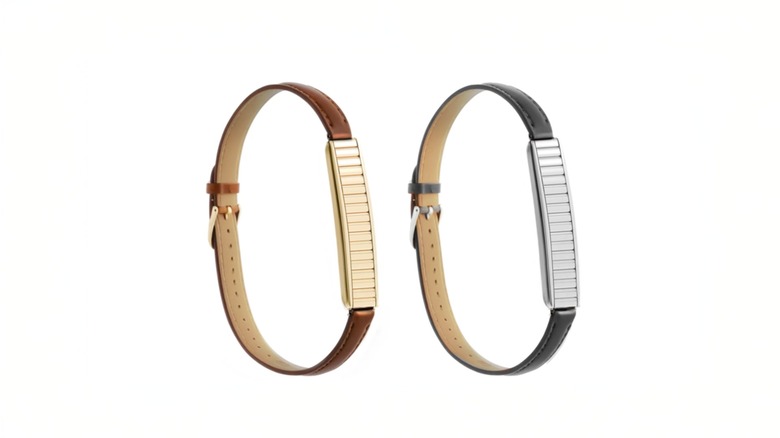
The bracelet uses a titanium body and supports different band styles. That gives it a more premium feel than many plastic fitness bands. It also helps Lumysi fit into daily life more easily, from work to travel, workouts, dinners, and sleep.
The product is aimed at people who want:
- A fitness tracker that does not look sporty
- Sleep and recovery tracking without a smartwatch
- A screen-free wearable with fewer distractions
- A health bracelet that works with formal or casual outfits
- A wearable that is easier to wear during the day and night
This type of design fits a bigger shift in wearable tech. More brands now focus on devices that blend into daily routines, not just screens with health sensors attached. That same trend is visible in smart glasses too, such as Meta glasses that start at $299, where the goal is to make connected tech feel more natural and less intrusive.
Why Lumysi Looks Different From Most Fitness Trackers
Most fitness trackers follow a familiar formula. They use a rubber strap, a small display, and a sporty shape. That works for the gym, but it does not always look right with office clothing, dresses, suits, or more polished outfits.
Lumysi tries to fix that problem. It puts tracking hardware inside a bracelet-style body, so the device looks less like workout gear. That makes it easier to wear in more places.
The screen-free design matters too. A smartwatch can be useful, but it can also become tiring. Messages, app alerts, calls, reminders, and bright screens can turn a health device into another distraction. Lumysi removes that part. You wear it, collect the data, and check the app later.
For some users, that is a major benefit. The best wearable is not always the one with the longest feature list. It is often the one you can wear every day without thinking about it too much.
Lumysi Health Tracking Features
The Lumysi bracelet fitness tracker focuses on wellness tracking rather than smartwatch features. Official product details mention optical heart signals, blood oxygen trends, skin temperature trends, and motion tracking.
The bracelet is designed to support insights around:
- Heart rate
- Heart rate variability
- Sleep quality
- Recovery patterns
- Daily movement
- Stress-related trends
- Blood oxygen trends
- Skin temperature trends
- Women’s health metrics
- Body rhythm and wellness patterns
The bigger promise sits in the app. Lumysi presents the data in a way that should help users understand daily health patterns. That is important, since raw numbers are not always useful on their own.
For example, heart rate variability can suggest how recovered your body feels. Skin temperature trends can show changes in your normal pattern. Sleep data can help explain why you feel tired the next day. None of these numbers should be treated like a medical diagnosis, but they can still help users notice patterns.
Design, Materials, and Daily Comfort
Lumysi uses a titanium body, which gives it a more premium identity than many basic fitness trackers. The tracker module is listed at 31.7 mm long and 8.9 mm wide, so it is designed to stay compact on the wrist.
The bracelet supports different bands, including more casual and more elegant styles. Silicone makes sense for exercise and sleep. Leather or metal-style bands make more sense for office wear or nights out.
Comfort will be one of the biggest factors. Health trackers need long wear time to collect useful data. A device that feels annoying at night will not track sleep well, since many users will simply take it off. A slim bracelet design gives Lumysi a real advantage here, at least in theory.
The look is also a major part of the appeal. Fitness trackers often ask users to accept a very specific style. Lumysi gives the impression of a product made for people who care about health data and personal style at the same time.
Battery Life and Water Resistance
Lumysi lists up to 7 days of battery life. That is a practical number for a screen-free wearable. A device without a display should use less power than a smartwatch, and fewer charging sessions make daily tracking easier.
A 7-day battery also matters for sleep tracking. Many smartwatch users charge their devices at night, which removes the chance to track sleep. A longer-lasting bracelet gives users more flexibility.
The bracelet is listed with 5 ATM water resistance. That rating should make it suitable for normal water exposure and many everyday situations. Still, users should follow the brand’s care instructions. Water resistance can weaken over time through wear, heat, soap, impact, and damaged seals.
Why a Screen-Free Fitness Tracker Makes Sense
A screen-free fitness tracker sounds limited at first, but the idea has real value. Not every wearable needs a display. For many people, the screen is the least useful part of a health tracker.
Lumysi focuses on passive tracking. That means the bracelet collects data quietly during the day and night. You do not have to tap through menus, clear notifications, or check stats every hour.
That can make health tracking feel less stressful. Instead of reacting to constant updates, users can check their trends at a calmer moment. This fits people who want wellness data without turning their wrist into another attention trap.
There is another benefit too. Screen-free wearables can look better. A bracelet has more freedom in design than a small rectangular display strapped to the wrist.
What Buyers Should Know Before Ordering
Lumysi looks promising, but buyers should stay realistic. The product is connected to a crowdfunding-style launch, so the final experience can change before shipping. Hardware details, delivery dates, app features, and real battery life can shift during production.
The subscription wording also needs attention. Lumysi promotes a no-subscription message, yet its FAQ mentions that some advanced app features may be part of a premium experience. That does not make the product bad, but buyers should check what is included with the device and what may cost extra later.
Independent accuracy testing is not widely available yet. That means users cannot fairly compare Lumysi’s performance against mature wearables from Apple, Garmin, Fitbit, Oura, or Whoop. The design may be attractive, but health-tracking accuracy still needs real-world proof.
Lumysi should be treated as a wellness product. It is not a medical device. Its data can help users notice habits and trends, but it should not replace medical advice, diagnosis, or treatment.
Lumysi vs Smartwatch, Fitness Band, and Smart Ring
Lumysi sits in an unusual place. It is not a smartwatch, not a classic fitness band, and not a smart ring.
Compared with a smartwatch, Lumysi offers fewer features. There is no screen, no app store, no calls, no maps, and no live workout display. The benefit is a calmer experience, a more stylish look, and longer battery life.
Compared with a basic fitness band, Lumysi looks more refined. It should fit better with everyday outfits. It may appeal to users who dislike the sporty look of traditional bands.
Compared with a smart ring, Lumysi keeps the sensors on the wrist. That may suit people who lift weights, work with tools, type often, or simply dislike wearing rings. Rings can feel awkward during grip-heavy activities. A bracelet avoids some of that problem.
The right buyer is easy to picture. Lumysi suits someone who wants quiet health tracking in a stylish form. It is less suited for athletes who need GPS, live workout screens, route maps, pace alerts, or advanced training tools.
Real Opinion: Is Lumysi a Good Idea?
Yes, the idea is strong. Wearable tech needs more products that look natural in daily life. Not everyone wants a chunky watch or rubber fitness band on their wrist.
Lumysi understands that problem. It gives users a way to track wellness data without changing their style too much. That is a real advantage.
The risk sits in execution. Sensor accuracy, app quality, comfort during sleep, charging reliability, shipping, and pricing will decide whether Lumysi becomes a serious wearable or just a good-looking concept.
If the app explains the data clearly and the sensors perform well, Lumysi could become a strong option for style-first health tracking. If the data feels vague or the premium features cost too much, the bracelet may struggle against more established names.
Final Thoughts on the Lumysi Bracelet Fitness Tracker
The Lumysi bracelet fitness tracker stands out by putting wellness tracking inside a stylish, screen-free bracelet. It offers a titanium body, up to 7-day battery life, 5 ATM water resistance, iOS and Android support, and tracking for sleep, recovery, heart signals, activity, stress-related patterns, and other body trends.
Its biggest strength is the design. Lumysi gives people a way to track health without wearing something that looks like a normal fitness tracker. That alone gives it a clear place in the wearable market.
Still, buyers should wait for real-world testing before trusting every metric. The concept is appealing, but accuracy, comfort, app quality, and long-term support matter more than the design alone.
For now, Lumysi is one of the more interesting screen-free wearables for anyone who wants fitness tracking without the fitness tracker look.